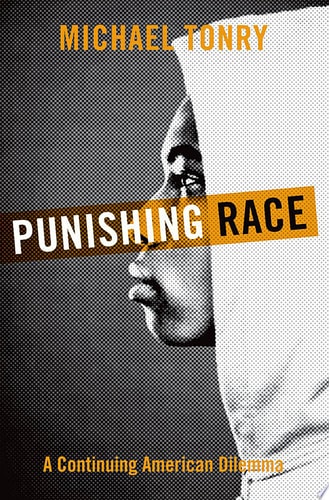
Punishing Race: A Continuing American Dilemma
0
0
As an Amazon Associate and affiliate partner, Menrva Books earns from qualifying purchases. Learn more
Author Description
How can it be, in a nation that elected Barack Obama, that one third of African American males born in 2001 will spend time in a state or federal prison, and that black men are seven times likelier than white men to be in prison? Blacks are much more likely than whites to be stopped by the police, arrested, prosecuted, convicted, and imprisoned, and are much less likely to have confidence in justice system officials, especially the police.In Punishing Race, Michael Tonry demonstrates in lucid, accessible language that these patterns result not from racial differences in crime or drug use but primarily from drug and crime control policies that disproportionately affect black Americans. These policies in turn stem from a lack of white empathy for black people, and from racial stereotypes and resentments provoked partly by the Republican Southern Strategy of using coded "law and order" appeals to race to gain support from white voters. White Americans, Tonry observes, have a remarkable capacity to endure the suffering of disadvantaged black and, increasingly, Hispanic men. Crime policies are among a set of social policies enacted since the 1960s that have maintained white dominance over black people despite the end of legal discrimination. To redress these injustices, Tonry offers a number of proposals: stop racial profiling by the police, shift the emphasis of drug law enforcement to treatment and prevention, eliminate mandatory sentencing laws, and change sentencing guidelines to allow judges discretion to take account of offenders' life circumstances. Those proposals are all attainable and would all reduce unjustifiable racial disparities and the collateral human and social harms they cause.A damning indictment of decades of misguided criminal justice policy, Punishing Race takes a crucial look at persisting racial injustice in America.
Menrva's Summary
THE THESIS
This book investigates the systemic causes of racial disparity within the American criminal justice system, specifically questioning why incarceration rates remain disproportionately high for black Americans despite shifts in national political leadership. Michael Tonry, a scholar of criminal law and policy, utilizes decades of statistical data and historical analysis to argue that these disparities are not the result of higher crime rates among black populations, but are instead the direct consequence of specific drug and crime control policies. He posits that these policies are sustained by racial stereotypes and political strategies that prioritize white dominance over equitable justice.
THE SCOPE MAP
What You Will Find
- Analysis of racial disparities in police stops, arrests, prosecutions, and sentencing outcomes.
- Examination of the historical impact of the Republican Southern Strategy on modern law and order rhetoric.
- Evaluation of drug enforcement policies and their specific effects on minority communities.
- Proposed policy reforms including the elimination of mandatory sentencing and the expansion of judicial discretion.
THE AUTHORITY PERSPECTIVE
Experts and legal scholars frequently cite this work as a foundational text for understanding the intersection of race and criminal justice policy in the United States. Readers often note the clarity of Tonry's prose, which makes complex sociological data accessible to both academic and general audiences.
Page Count:
222
Publication Date:
2012-07-01
Publisher:
Oxford University Press
ISBN-10:
0199926468
ISBN-13:
9780199926466
History
Crime And Race
Criminology
Administration of Justice
Sociology
Law
Social justice
Professional Career & Trade
Community Tags
Other Editions(4)


Similar Books






Reader Comments
Share Your Thoughts
No comments yet. Be the first to share your thoughts!