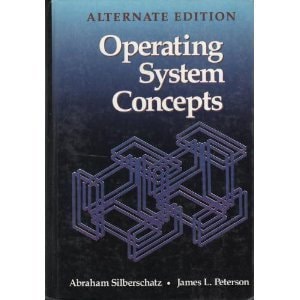
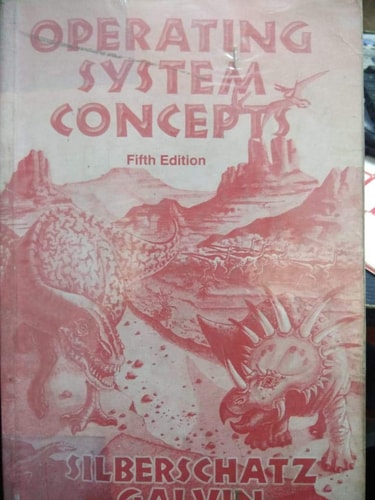
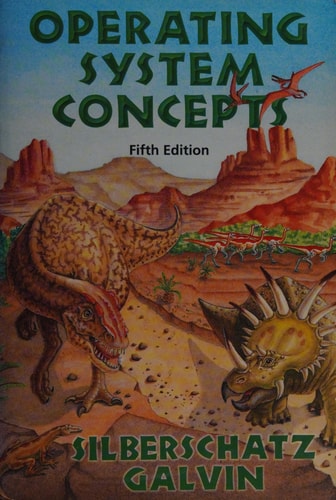
Operating System Concepts
0
0
As an Amazon Associate and affiliate partner, Menrva Books earns from qualifying purchases. Learn more
Author Description
The tenth edition of has been revised to keep it fresh and up-to-date with contemporary examples of how operating systems function, as well as enhanced interactive elements to improve learning and the student’s experience with the material. It combines instruction on concepts with real-world applications so that students can understand the practical usage of the content. End-of-chapter problems, exercises, review questions, and programming exercises help to further reinforce important concepts. New interactive self-assessment problems are provided throughout the text to help students monitor their level of understanding and progress. A Linux virtual machine (including C and Java source code and development tools) allows students to complete programming exercises that help them engage further with the material.
Menrva's Summary
THE THESIS
This text investigates the fundamental principles and practical mechanisms that govern modern operating system design and implementation. Author Abraham Silberschatz provides a comprehensive framework that bridges theoretical computer science concepts with contemporary industry applications. By utilizing a blend of architectural theory and practical programming exercises, the book establishes a rigorous foundation for understanding how software manages hardware resources.
THE SCOPE MAP
What You Will Find
- Core architectural components including process management, memory allocation, and file systems.
- Practical implementation strategies using C and Java programming languages.
- Interactive self-assessment modules and end-of-chapter review problems.
- Integration of a Linux virtual machine environment for hands-on development and testing.
THE AUTHORITY PERSPECTIVE
Experts and educators widely recognize this work as a foundational text for undergraduate computer science curricula. Readers frequently note the academic density of the prose, which is balanced by extensive pedagogical tools designed to reinforce complex technical concepts.
Page Count:
573
Publication Date:
1988-01-01
Publisher:
Addison-Wesley
ISBN-10:
0201187604
ISBN-13:
9780201187601
Programming
Operating systems Computers
Technology
textbook
Computer Science
Community Tags
Other Editions(7)
Similar Books


Reader Comments
Share Your Thoughts
No comments yet. Be the first to share your thoughts!