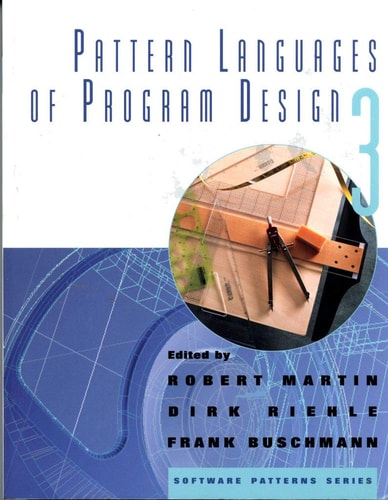
Pattern Languages of Program Design 3
0
0
As an Amazon Associate and affiliate partner, Menrva Books earns from qualifying purchases. Learn more
Author Description
Patterns remain one of the most important new technologies contributing to software engineering, system design, and development. All indications are that patterns will continue to grow in significance for years to come as more and more developers have come to rely on design patterns to help them deliver reusable and cost effective applications in a more timely fashion. This volume is a collection of the current best practices and trends in the patterns community. The patterns contained in this book provide effective, tested, and proven software design solutions for developers in all domains, institutions, and organizations. The third in a series of books documenting patterns for professional software developers, this volume continues the tradition of informational excellence established by the first two volumes. Pattern Languages of Program Design 3 is unique from the previous two volumes in that it includes international submissions, having gathered the best papers from both Plop '96 and EuroPLoP '96. A wide range of pattern-related topics are covered, and the patterns are arranged by topic so software engineers can easily select the patterns of greatest relevance to their needs and application domains. This book goes beyond teaching software engineers that design patterns are powerful tools to impart understanding -- it shows you where and when patterns are best applied.
Menrva's Summary
THE THESIS
This volume investigates the practical application and integration of software design patterns to improve the efficiency, reusability, and cost-effectiveness of complex system development. The authors, Dirk Riehle, Frank Buschmann, and Robert Martin, curate a collection of peer-reviewed papers and best practices derived from the Plop '96 and EuroPLoP '96 conferences. By synthesizing international contributions, the text provides a structured framework for identifying when and where specific design patterns should be implemented within professional software architectures.
THE SCOPE MAP
What You Will Find
- A collection of proven software design solutions gathered from international industry conferences.
- Methodologies for selecting relevant patterns based on specific application domains and institutional needs.
- Comparative analysis of design patterns across diverse programming environments.
- Categorized technical insights that facilitate the implementation of reusable code structures.
THE AUTHORITY PERSPECTIVE
Experts recognize this volume as a foundational reference for software engineers seeking to standardize design practices through established pattern languages. Readers frequently note the technical density of the prose, which is intended for experienced developers rather than novices in the field.
Page Count:
632
Publication Date:
1997-01-01
Publisher:
Addison-Wesley Professional
ISBN-10:
0201310112
ISBN-13:
9780201310115
Programming
Software Engineering
Technology
System Design
Computer Science
Computers - Languages Programming
Community Tags
Similar Books