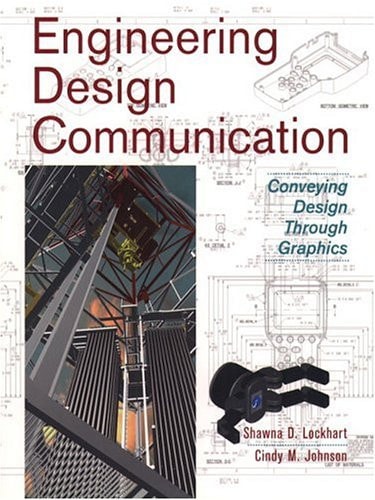
Engineering Design Communication: Conveying Design Through Graphics
0
0
As an Amazon Associate and affiliate partner, Menrva Books earns from qualifying purchases. Learn more
Author Description
Engineering Design Communication is a new approach to the traditional engineering graphics course. The emphasis in the text reflects the changes that many schools are making to their graphics courses including the importance of sketching, 3D solid modeling, and the use of design databases throughout the engineering process. This text encourages readers to think about the broader context for their models so they plan for flexibility, downstream applications, and manufacture as they are learning to model. Gives readers a true foundation in graphic communication and the nature of visual information. Emphasizes sketching and visualization techniques throughout the text. Emphasizes solid and parametric modeling software as a means to building a design database. Fosters a real-world approach to engineering communication through the use of industry cases that profile practice in major corporation. Show how design goals influence the way models are made. Presents a wide variety of software and presentation tools. Prepares readers for the concurrent engineering environment where they must present ideas and work with non-technical personnel. Illustrates each technique with real examples of how it may be used so that readers can use it effectively in future studies and in the workplace. Prepares readers to evaluate and adopt new graphics tools as they are developed. Tutorial guides teach readers how to use a variety of solid and parametric modeling packages from a proven step-by-step approach used in other Lockhart tutorial guides. Step-by-step guides follow the organization of the text. For anyone interested in engineering graphics.
Menrva's Summary
THE THESIS
This text investigates how modern engineering graphics education must evolve to integrate 3D solid modeling, sketching, and data-driven design within a collaborative, concurrent engineering environment. Authors Cindy M. Johnson and Shawna D. Lockhart provide a pedagogical framework that shifts focus from traditional drafting to the creation of comprehensive design databases. By emphasizing the broader context of model utility, the authors argue that students must learn to anticipate downstream manufacturing requirements and communicate effectively with non-technical stakeholders.
THE SCOPE MAP
What You Will Find
- Methodologies for 3D solid and parametric modeling software integration.
- Techniques for effective sketching and visual communication in professional settings.
- Industry case studies profiling design practices in major corporations.
- Step-by-step tutorial guides for navigating various modeling software packages.
THE AUTHORITY PERSPECTIVE
Experts identify this text as a foundational resource for modernizing engineering graphics curricula. Readers frequently note the practical utility of the step-by-step tutorials and the emphasis on real-world application over abstract theory.
Page Count:
719
Publication Date:
1999-01-01
Publisher:
Pearson College Div
ISBN-10:
0201331519
ISBN-13:
9780201331516
Education
Technology
Design
Engineering
Community Tags
Similar Books