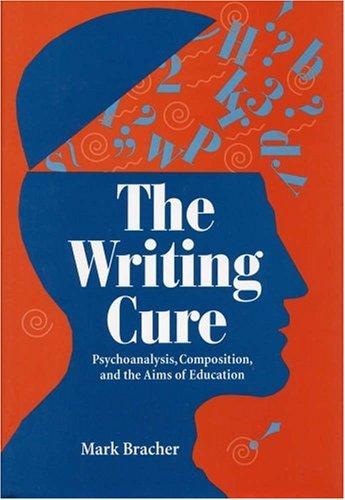
The Writing Cure
0
0
As an Amazon Associate and affiliate partner, Menrva Books earns from qualifying purchases. Learn more
Author Description
"Articulating an approach based on the work of Jacques Lacan, Brancher shows how a psychoanalytic perspective can offer useful insights into the nature of writing process, the sources of writing problems, and the dynamics of writing instruction. Psychoanalysis reveals that the writing process is profoundly affected by factors that current theories have largely neglected - forces such as enjoyment, desire, fantasy, and anxiety, which, moreover, are often unconscious. It further reveals that the conflict between these forces and the ego and its defenses are at the root of many writing problems. Finally it offers strategies that writing teachers can use to help students reduce their psychological conflicts and improve their writing while also benefiting personally."--BOOK JACKET. "Bracher demonstrates that writing instruction constitutes the most favorable venue outside of individual psychoanalytic treatment for pursuing psychoanalytic research and practice."--BOOK JACKET. "For cultural workers - teachers, critics, and others - who want to work for positive social change, a psychoanalytic writing pedagogy offers the opportunity to undermine the psychological roots of many social problems, including intolerance and various forms of self-destructive behavior."--BOOK JACKET.
Menrva's Summary
THE THESIS
This book explores how psychoanalytic theory, particularly the work of Jacques Lacan, can illuminate the complexities of the writing process and its associated difficulties. Bracher posits that writing is deeply influenced by often unconscious psychological factors such as enjoyment, desire, fantasy, and anxiety, which are frequently overlooked by conventional theories. The text argues that conflicts arising from these forces and the ego's defenses are central to many writing problems. Furthermore, it proposes practical strategies for educators to help students navigate these psychological conflicts, thereby improving their writing and personal development.
THE SCOPE MAP
- Application of Lacanian psychoanalysis to writing theory and pedagogy.
- Analysis of unconscious factors (enjoyment, desire, fantasy, anxiety) affecting writing.
- Identification of ego defenses and their role in writing problems.
- Strategies for writing teachers to address psychological conflicts in students.
- Psychoanalytic perspective on writing instruction as a form of therapeutic practice.
- Potential for psychoanalytic writing pedagogy to address social issues like intolerance and self-destructive behavior.
THE AUTHORITY PERSPECTIVE
The book is presented as a significant contribution to understanding writing through a psychoanalytic lens, particularly drawing on Lacanian thought. It aims to bridge the gap between psychological theory and practical writing instruction, suggesting that educators can foster both academic and personal growth in students. The text positions writing pedagogy as a valuable site for psychoanalytic exploration outside of formal therapy. It also highlights the potential for this approach to contribute to broader social change by addressing the psychological underpinnings of societal problems.
Page Count:
230
Publication Date:
1999-01-01
ISBN-10:
0809322218
Psychology
Non-Fiction
Art
Action
Education
Writing
Community Tags
Similar Books