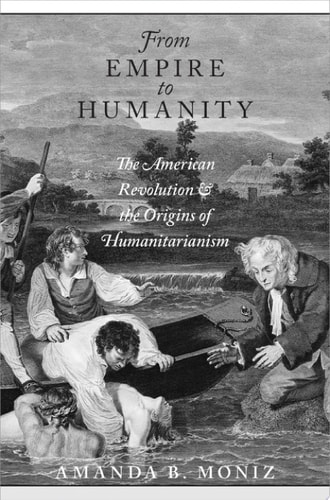
From Empire to Humanity
0
0
As an Amazon Associate and affiliate partner, Menrva Books earns from qualifying purchases. Learn more
Author Description
In The Decades Before The Revolution, Americans And Britons Shared An Imperial Approach To Helping Those In Need During Times Of Disaster And Hardship. They Worked Together On Charitable Ventures Designed To Strengthen The British Empire, And Ordinary Men And Women Made Donations For Faraway Members Of The British Community. Growing Up In This World Of Connections, Future Activists From The British Isles, North America, And The West Indies Developed Expansive Outlooks And Transatlantic Ties. The Schism Created By The Revolution Fractured The Community That Nurtured This Generation Of Philanthropists. In From Empire To Humanity, Amanda Moniz Tells The Story Of A Generation Of American And British Activists Who Transformed Humanitarianism As They Adjusted To Being Foreigners. American Independence Put An End To Their Common Imperial Humanitarianism, But Not Their Friendships, Their Far-reaching Visions, Or Their Belief That Philanthropy Was A Tool Of Statecraft. In The Postwar Years, These Philanthropists, Led By Doctor-activists, Collaborated On The Anti-drowning Cause, Spread New Medical Charities, Combatted The Slave Trade, Reformed Penal Practices, And Experimented With Relieving Needy Strangers. The Nature Of Their Cooperation, However, Had Changed. No Longer Members Of The Same Polity, They Adopted A Universal Approach To Their Benevolence, Working Together For The Good Of Humanity, Rather Than Empire. Making The Care Of Suffering Strangers Routine, These British And American Activists Laid The Groundwork For Later Generations' Global Undertakings. From Empire To Humanity Offers New Perspectives On The History Of Philanthropy, As Well As The Atlantic World And Colonial And Postcolonial History.
Menrva's Summary
THE THESIS
How did the American Revolution transform the practice of humanitarianism from an imperial project into a universal, global endeavor? Amanda B. Moniz, a historian specializing in the Atlantic world, examines the lives and networks of British and American activists who navigated the transition from colonial subjects to citizens of separate nations. By analyzing their correspondence, charitable initiatives, and medical collaborations, Moniz argues that these individuals repurposed their existing philanthropic frameworks to address human suffering beyond the boundaries of the British Empire.
THE SCOPE MAP
What You Will Find
- Analysis of transatlantic philanthropic networks during the late 18th and early 19th centuries.
- Examination of specific humanitarian causes including anti-drowning efforts, medical charity, and penal reform.
- Investigation into the role of doctor-activists in shaping early international humanitarian policy.
Scope Limits
- The study focuses primarily on the British-American Atlantic sphere rather than global humanitarianism in its entirety.
- The narrative centers on elite and professional activist circles, providing less insight into the experiences of the impoverished recipients of aid.
THE AUTHORITY PERSPECTIVE
Historians recognize this work as a significant contribution to the study of Atlantic history and the evolution of non-governmental organizations. Scholars frequently note the author's ability to bridge the gap between political history and the history of social welfare, making it a valuable resource for understanding the origins of modern international aid.
Page Count:
320
Publication Date:
2016-01-01
Publisher:
Oxford University Press
ISBN-10:
0190240369
ISBN-13:
9780190240363
History
World history
Philanthropy
Colonial History
Social Reform
Community Tags
Similar Books