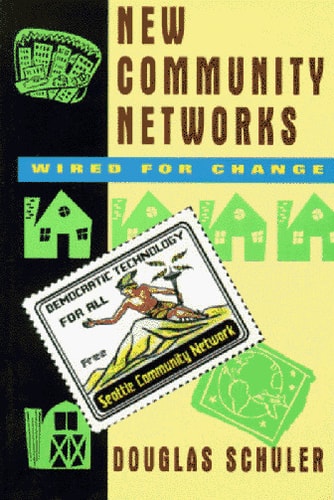
New Community Networks: Wired for Change
0
0
As an Amazon Associate and affiliate partner, Menrva Books earns from qualifying purchases. Learn more
Author Description
In an era of declining communities, grassroots activists all over the world are building community networks designed to reinvigorate communities by encouraging dialogue and providing a forum for voices that too often go unheard. Via new computer networking technology, new communities can now connect electronically to pursue activities such as community and public health projects, long-distance learning, performances, and "virtual spaces."New Community Networks is a unique contribution to the literature on social uses of technology. It provides practical how-to advice and discusses the rationale, concerns, and directions of socially-directed technology. This book should be read by government officials, librarians, policy analysts, educators, journalists, social service administrators, students, social and political activists, and - in fact - by anyone concerned about our communities and the uses of technology in our society.Highlights: provides a helpful reference for people trying to develop and sustain their own community networks; details issues critical for the success of a community-based network; includes case studies from the Santa Monica PEN project, Community Memory in Berkeley, the Cleveland FreeNet, and the Big Sky Telegraph system in rural Montana; explains short- and long-term issues about community networks; and offers an extensive reference section and numerous appendices providing handy access to a plethora of information related to community networks.
Menrva's Summary
THE THESIS
How can grassroots activists and community leaders utilize emerging computer networking technologies to revitalize local civic engagement and foster democratic dialogue? Douglas Schuler, an expert in the social implications of computing, examines the intersection of digital infrastructure and community health. He argues that technology, when directed by social intent rather than purely commercial interests, serves as a vital tool for connecting citizens, facilitating public health initiatives, and amplifying marginalized voices within the civic sphere.
THE SCOPE MAP
What You Will Find
- Analysis of the social and political rationale for community-directed networking projects.
- Practical frameworks for developing, sustaining, and managing local community networks.
- Case studies including the Santa Monica PEN project, Community Memory in Berkeley, the Cleveland FreeNet, and the Big Sky Telegraph.
- Comprehensive appendices and reference materials for practitioners and policy analysts.
THE AUTHORITY PERSPECTIVE
Experts recognize this work as a foundational text for understanding the early development of digital civic spaces and the social potential of the internet. Readers frequently note the practical utility of the included case studies for those interested in the history of community-based technology initiatives.
Page Count:
528
Publication Date:
1996-04-01
Publisher:
Addison-Wesley
ISBN-10:
0201595532
ISBN-13:
9780201595536
Community Development
Sociology
Public Policy
Technology
Community Tags
Similar Books