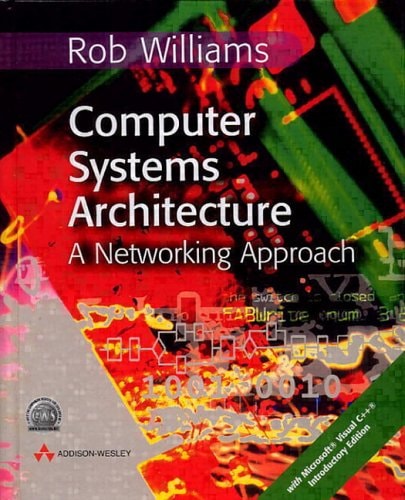
Computer Systems Architecture
0
0
As an Amazon Associate and affiliate partner, Menrva Books earns from qualifying purchases. Learn more
Author Description
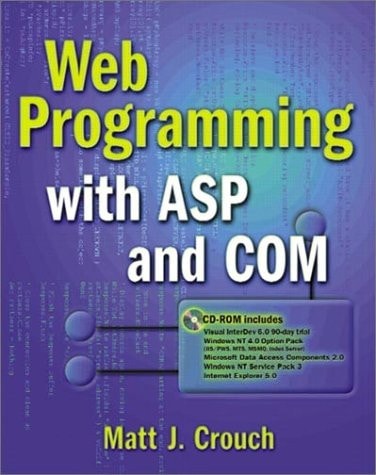
This book presents an incremental look at networked computer systems starting with digital logic and hardware, moving through the layers of software, and leading to an introduction to networking and operating systems. Its practical, modern approach draws upon areas of reader interest and experience (the Internet, Pentium processors, GUIs, mobile communications) to stimulate enthusiasm. This book uses Microsoft's Visual Developer Studio debugger (included on CD-ROM) to provide a brief experience with assembly language programming. This book features an introduction to networking since most computer systems today work in a networked environment. It takes a traditional bottom-up approach using applied technology and ideas, and treats digital logic in sufficient detail to remove the mystery of how computers work. Throughout, the author emphasizes how software performance can be dependent upon hardware features, while practical exercises demonstrate this aspect of hardware/software interaction. This book demonstrates to computer scientists and engineers how computers and their systems work, and will be especially useful for readers looking for a book covering networking issues in computer systems organization and architecture.
Menrva's Summary
THE THESIS
This text investigates the fundamental mechanics of computer systems by tracing the progression from digital logic and hardware components to the complexities of modern networking and operating systems. Author Rob Williams employs a bottom-up pedagogical framework, utilizing applied technology and contemporary examples to demystify the interaction between hardware architecture and software performance. By integrating practical exercises and assembly language programming, the book bridges the gap between theoretical computer organization and real-world system functionality.
THE SCOPE MAP
What You Will Find
- Comprehensive coverage of digital logic and hardware architecture foundations.
- Practical methodology for assembly language programming using Visual Developer Studio.
- Analysis of the interdependence between software performance and hardware features.
- Introduction to networking concepts within the context of modern computer systems.
THE AUTHORITY PERSPECTIVE
Experts identify this text as a practical resource for students and engineers seeking to understand the physical and logical layers of computing. Readers frequently note the balance between traditional architectural theory and the inclusion of modern, applied examples like Pentium processors and mobile communications.
Page Count:
680
Publication Date:
2001-01-31
Publisher:
Addison Wesley
ISBN-10:
0201648598
ISBN-13:
9780201648591
Computer Science
Computer Architecture
Networking
Computer Network Architectures
Computer Hardware
Community Tags
Similar Books