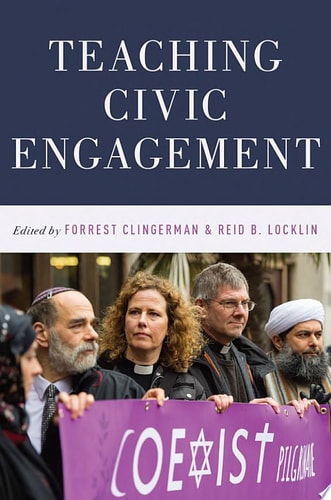
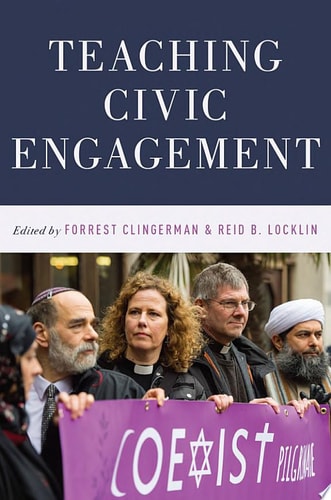
Teaching Civic Engagement
0
0
As an Amazon Associate and affiliate partner, Menrva Books earns from qualifying purchases. Learn more
Author Description
Using A New Model Focused On Four Core Capacities-intellectual Complexity, Social Location, Empathetic Accountability, And Motivated Action--teaching Civic Engagement Explores The Significance Of Religious Studies In Fostering A Vibrant, Just, And Democratic Civic Order. In The First Section Of The Book, Contributors Detail This Theoretical Model And Offer An Initial Application To The Sources And Methods That Already Define Much Teaching In The Disciplines Of Religious Studies And Theology. A Second Section Offers Chapters Focused On Specific Strategies For Teaching Civic Engagement In Religion Classrooms, Including Traditional Textual Studies, Reflective Writing, Community-based Learning, Field Trips, Media Analysis, Ethnographic Methods, Direct Community Engagement And A Reflective Practice Of Ascetic Withdrawal. The Final Section Of The Volume Explores Theoretical Issues, Including The Delimitation Of The Civic As A Category, Connections Between Local And Global In The Civic Project, The Question Of Political Advocacy In The Classroom, And The Role Of Normative Commitments. Collectively These Chapters Illustrate The Real Possibility Of Connecting The Scholarly Study Of Religion With The Societies In Which We, Our Students, And Our Institutions Exist. The Contributing Authors Model New Ways Of Engaging Questions Of Civic Belonging And Social Activism In The Religion Classroom, Belying The Stereotype Of The Ivory Tower Intellectual.
Menrva's Summary
THE THESIS
This volume investigates how the academic study of religion can be effectively utilized to cultivate civic engagement, social responsibility, and democratic participation among students. Editors Forrest Clingerman and Reid B. Locklin assemble a collection of scholarly contributions that propose a pedagogical framework centered on four core capacities: intellectual complexity, social location, empathetic accountability, and motivated action. By bridging the gap between theoretical religious study and real-world social activism, the authors argue that the classroom serves as a vital site for developing informed and active citizens.
THE SCOPE MAP
What You Will Find
- A four-part pedagogical model for integrating civic engagement into religious studies curricula.
- Practical instructional strategies including community-based learning, ethnographic methods, and media analysis.
- Theoretical discussions regarding the role of normative commitments and political advocacy in higher education.
Scope Limits
- The text focuses primarily on the context of religious studies and theology departments within higher education.
- It does not provide a comprehensive guide for civic engagement outside of the academic classroom environment.
THE AUTHORITY PERSPECTIVE
Experts in the field of religious pedagogy view this work as a significant contribution to the ongoing debate regarding the social relevance of the humanities. Readers frequently note that the text provides a structured, actionable framework for educators seeking to move beyond traditional textual analysis toward more engaged, community-oriented teaching methods.
Page Count:
256
Publication Date:
2015-01-01
Publisher:
Oxford University Press
ISBN-10:
0190250518
ISBN-13:
9780190250515
Education
Theology
Pedagogy
Community Tags
Other Editions(3)
Similar Books