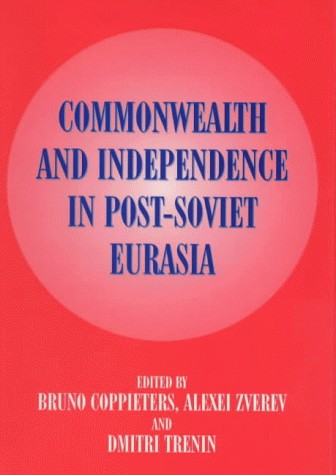
Commonwealth and Independence in Post-Soviet Eurasia
0
0
As an Amazon Associate and affiliate partner, Menrva Books earns from qualifying purchases. Learn more
Author Description
The demise of the Soviet Union in December 1991 was followed by various attempts to create new forms of integration for the new states of Eurasia. The contributors to this volume analyse in detail how the national elites in the independent states have conceived their regional policies.--Jacket.
Menrva's Summary
THE THESIS
The collapse of the Soviet Union presented a critical juncture for the newly independent states of Eurasia, prompting diverse strategies for regional integration. This volume examines how national elites in these states conceptualized and implemented their foreign policies in the post-Soviet era, analyzing the complex interplay of national interests and regional cooperation. The contributors explore the challenges and opportunities faced by these emerging nations as they navigated a new geopolitical landscape, seeking to establish their sovereignty while forging new relationships.
THE SCOPE MAP
- Analysis of regional integration attempts in post-Soviet Eurasia.
- Examination of national elite perspectives on regional policies.
- Detailed case studies of independent states' foreign policy strategies.
- Exploration of the geopolitical shifts following the Soviet Union's dissolution.
- Discussion of the conceptualization of new forms of integration.
THE AUTHORITY PERSPECTIVE
This volume is recognized for its detailed analysis of the complex political and strategic landscape that emerged in Eurasia following the Soviet Union's dissolution. The contributors offer in-depth examinations of how national elites in the newly independent states approached regional integration and foreign policy. The work is valued for its scholarly rigor and its contribution to understanding the formative years of post-Soviet international relations. It provides a comprehensive overview of the challenges and strategies employed by these nations in establishing their place on the global stage.
Page Count:
232
Publication Date:
1998-01-01
ISBN-10:
0714644803
ISBN-13:
9780714644806
History
Non-Fiction
Politics
International relations
Community Tags
Similar Books