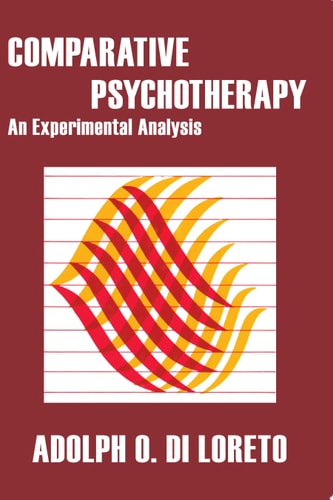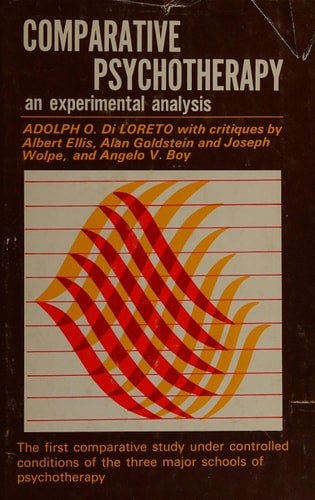
Comparative Psychotherapy: An Experimental Analysis
0
0
As an Amazon Associate and affiliate partner, Menrva Books earns from qualifying purchases. Learn more
Author Description
This book details the first comparative study under controlled conditions of the three major schools of psychotherapy-client-centered therapy, behavioral or systematic desensitization therapy, and rational-emotive therapy. The study was organized to compare the effectiveness of these distinct forms of counseling with two distinct personality types-introverts and extroverts-in the treatment of two specific homogeneous problems-interpersonal anxiety and general anxiety. The study was reviewed by experts representing each of the schools of thought, and critiques are included as part of the total book. Each school of therapy was evaluated to determine which was most effective with what type of subject. In this study, client-centered therapy proved to have the best results in reducing anxiety with extroverts, while the rational-emotive approach worked best with introverts. The therapy that had the greatest breadth, in terms of effectiveness for both kinds of clients, was systematic desensitization. This remarkable study should have far-reaching influence in the practical use of psychotherapy, and is essential reading for all professionals and psychology students who plan to enter the area of counseling. Instructors can use this book as a basic text or as a supplement to all introductory courses in clinical or counseling psychology offered at the senior/graduate level.
Menrva's Summary
THE THESIS
This study investigates the comparative efficacy of three major psychotherapeutic modalities—client-centered, behavioral, and rational-emotive therapy—when applied to specific personality types and anxiety conditions. Adolph O. Di Loreto utilizes a controlled experimental framework to evaluate how these distinct counseling approaches perform across different subject profiles. By measuring outcomes for introverts and extroverts dealing with interpersonal and general anxiety, the author provides a structured analysis of therapeutic outcomes. The work serves as a foundational examination of how clinical methodology interacts with individual psychological traits.
THE SCOPE MAP
What You Will Find
- Comparative analysis of client-centered therapy, systematic desensitization, and rational-emotive therapy.
- Experimental data measuring treatment effectiveness for introverts versus extroverts.
- Clinical focus on interpersonal anxiety and general anxiety disorders.
- Peer critiques from representatives of each therapeutic school of thought.
THE AUTHORITY PERSPECTIVE
Experts and students of clinical psychology recognize this work as a significant contribution to the empirical study of counseling outcomes. The text is frequently utilized in graduate-level curricula due to its rigorous experimental design and inclusion of diverse professional perspectives.
Page Count:
315
Publication Date:
1971-01-01
Publisher:
Aldine, Atherton
ISBN-10:
0202260186
ISBN-13:
9780202260181
Psychology
Counseling
Psychotherapy
Behavioral Science
Community Tags
Other Editions(3)

Similar Books