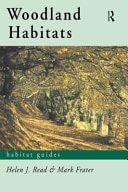
Woodland Habitats
0
0
As an Amazon Associate and affiliate partner, Menrva Books earns from qualifying purchases. Learn more
Author Description
Woodland Habitats explores the history and ecology of British woodlands, and explains why they are such a valuable resource. It offers a practical guide to issues concerned with the ecology of woodland habitats and organisms; conservation and management; coppicing, pasture woodland and commercial forestry; woodland grazing, ride management and recreation in woodlands. Featuring illustrated species boxes as well as a full species list, examples of notable sites with location maps and pictures, suggested projects and a full glossary, students and environmentalists will gain a deeper understanding of the historical and present-day importance of British woodlands, as both an ecological and a cultural resource.
Menrva's Summary
THE THESIS
This text investigates the historical development, ecological complexity, and contemporary management requirements of British woodland habitats. Authors Helen J. Read and Mark Frater synthesize biological data with land-use history to argue that woodlands function as both critical biodiversity reservoirs and essential cultural assets. The book provides a structured framework for understanding the interplay between human intervention, such as coppicing and commercial forestry, and the natural succession of forest ecosystems.
THE SCOPE MAP
What You Will Find
- Historical analysis of British woodland evolution and land-use patterns.
- Practical methodologies for conservation, grazing management, and ride maintenance.
- Illustrated species profiles and comprehensive biological checklists.
- Case studies of notable woodland sites including location maps and photographic documentation.
THE AUTHORITY PERSPECTIVE
Experts and environmental practitioners frequently cite this work as a foundational reference for understanding the intersection of British forestry and conservation biology. Readers often note the clarity of the technical guidance provided, making it a standard resource for students and land managers alike.
Page Count:
0
Publication Date:
2005-01-01
Publisher:
Taylor & Francis Group
ISBN-10:
0203013727
ISBN-13:
9780203013724
Nature
Forêts
Nature
Forestry
Forest ecology
Green Business
Ecology
Gestion
Forest conservation
Forests and forestry
Conservation
British History
Community Tags
Other Editions(4)


Similar Books