
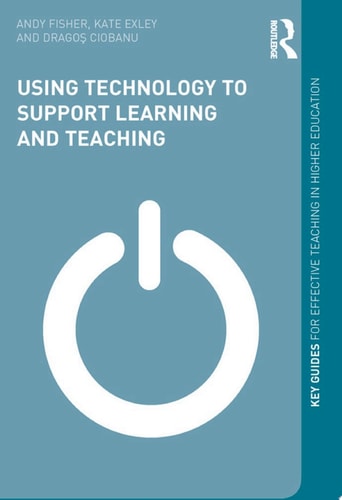
Using Technology to Support Learning and Teaching
0
0
As an Amazon Associate and affiliate partner, Menrva Books earns from qualifying purchases. Learn more
Author Description
The Climate Of Higher Education Is Changing Rapidly. Students Are More Likely To See Themselves As Consumers And Have Increasingly High Expectations Regarding Teaching And Learning. The Use Of New Technology Is, In Part, Being Used To Meet This Need Whether By Increased Access To Teaching Materials Outside The Classroom Or The Use Of Interactivity In Lectures. Although There Is No Illusion Amongst Higher Education Institutions That Technology Is A Panacea, It Is Clear That Technology Is A Vital Tool In Meeting Expectations And One That Will Be Used More And More. Using Technology To Support Learning And Teaching Fills A Gap In The Market By Provides A Jargon Free (but Pedagogically Informed) Set Of Guidance For Teaching Practitioners Who Wish To Consider The Variety Of Ways In Which Technology Can Enrich Their Practice And The Learning Of Their Students. It Integrates A Wide Range Of Example Cases From Different Kinds Of He Institutions And Different Academic Disciplines, Illustrating Pedagogies That Are Easily Practicable. Full Of Advice, Hints And Tips For Practitioners Who Want To Use Technology To Support A Style Of Teaching And Learning That Is Built On Sound Pedagogical Principles, It Provides A Quick User-friendly Reference On How To Incorporate Technology Into Higher Education In A Way That Adheres To Their Learning Principles And Values-- Provided By Publisher.
Menrva's Summary
THE THESIS
This book investigates how higher education practitioners can effectively integrate technology into their teaching to meet the evolving expectations of students while maintaining sound pedagogical principles. The authors, drawing on their expertise in academic development and educational practice, argue that technology should not be viewed as a universal solution but as a strategic tool for enhancing student engagement and accessibility. By bridging the gap between technical implementation and pedagogical theory, the text provides a framework for educators to evaluate and adopt digital tools that align with their specific institutional values and disciplinary requirements.
THE SCOPE MAP
What You Will Find
- Practical guidance on incorporating digital tools into lecture-based and independent learning environments.
- A collection of diverse case studies sourced from various higher education institutions and academic disciplines.
- Pedagogical frameworks designed to ensure technology use remains grounded in established learning theories.
- Actionable advice, hints, and tips for practitioners seeking to improve student outcomes through technological integration.
THE AUTHORITY PERSPECTIVE
Practitioners frequently cite this text as a highly accessible, jargon-free resource for navigating the complexities of modern educational technology. Experts highlight the book as a foundational reference for educators who prioritize pedagogical integrity over mere technical adoption.
Page Count:
0
Publication Date:
2014-01-01
Publisher:
Taylor & Francis Group
ISBN-10:
0203074491
ISBN-13:
9780203074497
Educational Technology
Education
Higher Education
Study & Teaching
Teaching Methods
Community Tags
Other Editions(5)



Similar Books












Reader Comments
Share Your Thoughts
No comments yet. Be the first to share your thoughts!