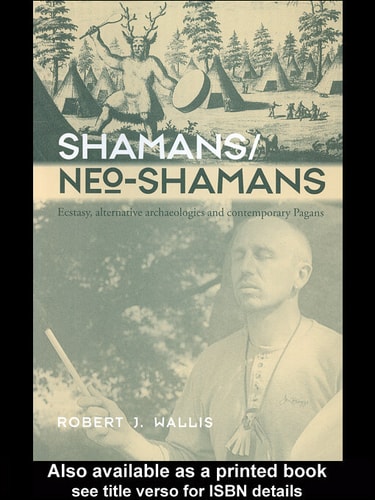
Shamans/Neo-Shamans
0
0
As an Amazon Associate and affiliate partner, Menrva Books earns from qualifying purchases. Learn more
Author Description
Shamans and shamanisms are in vogue at present. In popular culture, such diverse characters as occultist Aleister Crowley, Doors musician Jim Morrison and performance artist Joseph Beuys have been termed shamans. The anthropological construct 'shamanism', on the other hand, has associations with sorcery, witchcraft and healing, and archaeologists have suggested the meaning of prehistoric cave art lies with shamans and altered consciousness.Robert J. Wallis explores the interface between 'new' (modern western), indigenous and prehistoric shamans, and assesses the implications for archaeologists, anthropologists, indigenous communities, heritage managers, and neo-Shamanic practitioners. Identifying key figures in neo-Shamanisms, including Mircea Eliade, Carlos Castaneda and Michael Harner, Wallis assesses the way in which 'traditional' practices have been transformed into 'western' ones, such as Castaneda's Don Juan teachings and Harner's core shamanism.The book draws on interviews and self-reflective insider ethnography with a variety of practitioners, particularly contemporary pagans in Britain and north America from druid and heathen traditions, to elucidate what shamans do. Wallis looks at historical and archaeological sources to elucidate whether 'Celtic' and 'northern' shamanism may have existed; he explores contemporary pagan engagements with prehistoric sacred sites such as Stonehenge and Avebury, and discusses the controversial use by neo-Shamans of indigenous (particularly native American) shamanism.Rather than discuss neo-Shamans as inauthentic, invalid culture-stealers, Wallis offers a more detailed and complex appraisal. He makes it clear that scholars must be prepared to give up some of their hold over knowledge, and not only be aware of these neo-Shamanic approaches but also engage in a serious dialogue with such 'alternative' histories.
Menrva's Summary
THE THESIS
This work investigates the complex intersection between traditional indigenous shamanic practices and the emergence of modern Western neo-shamanism. Robert J. Wallis, an anthropologist and archaeologist, utilizes a combination of ethnographic research, historical analysis, and archaeological site studies to examine how ancient concepts of shamanism have been adapted and transformed by contemporary practitioners. The book argues for a nuanced academic engagement with these alternative histories rather than a simple dismissal of their validity.
THE SCOPE MAP
What You Will Find
- Analysis of key figures in the development of neo-shamanism, including Mircea Eliade, Carlos Castaneda, and Michael Harner.
- Ethnographic interviews and self-reflective accounts from contemporary pagan practitioners in Britain and North America.
- Archaeological and historical investigations into the potential existence of ancient Celtic and northern shamanic traditions.
- Critical discussion regarding the ethics of cultural appropriation and the engagement of neo-shamans with prehistoric sacred sites like Stonehenge.
THE AUTHORITY PERSPECTIVE
Scholars and practitioners view this text as a significant contribution to the study of contemporary spirituality and its relationship to archaeological interpretation. The book is recognized for its balanced, non-judgmental approach to the controversial practices of neo-shamanism within modern cultural contexts.
Page Count:
320
Publication Date:
2004-01-01
Publisher:
Taylor & Francis Inc
ISBN-10:
0203419073
ISBN-13:
9780203419076
Religion
Spirituality
Shamanism
Mind & Body
Archaeology
Paganism
Sociology
Nonfiction
Anthropology
Community Tags
Similar Books