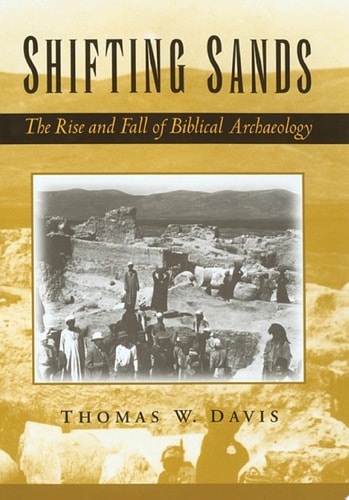
Shifting Sands: The Rise and Fall of Biblical Archaeology
0
0
As an Amazon Associate and affiliate partner, Menrva Books earns from qualifying purchases. Learn more
Author Description
Before the 1970s, "biblical archaeology" was the dominant research paradigm for those excavating the history of Palestine. Today this model has been "weighed in the balance and found wanting." Most now prefer to speak of "Syro/Palestinian archaeology." This is not just a nominal shift but reflects a major theoretical and methodological change. It has even been labeled a revolution. In the popular mind, however, biblical archaeology is still alive and well. In Shifting Sands, Thomas W. Davis charts the evolution and the demise of the discipline. Biblical archaeology, he writes, was an attempt to ground the historical witness of the Bible in demonstrable historical reality. Its theoretical base lay in the field of theology. American mainstream Protestantism strongly resisted the inroads of continental biblical criticism, and sought support for their conservative views in archaeological research on the ancient Near East. The Bible was the source of the agenda for biblical archaeology, an agenda that was ultimately apologetical. Davis traces the fascinating story of the interaction of biblical studies, theology, and archaeology in Palestine, and the remarkable individuals who pioneered the discipline. He highlights the achievements of biblical archaeologists in the field, who gathered an immense body of data. By clarifying the theoretical and methodological framework of the original excavators, he believes, these data can be made more useful for current research, allowing a more sober, reasoned judgment of both the accomplishments and the failures of biblical archaeology.
Menrva's Summary
THE THESIS
This work investigates the rise, theoretical foundations, and eventual decline of biblical archaeology as a dominant research paradigm in the study of ancient Palestine. Thomas W. Davis, an expert in the field, examines how the discipline emerged from American mainstream Protestant theology to provide historical validation for biblical narratives. He argues that the shift toward Syro/Palestinian archaeology represents a necessary methodological evolution that separates archaeological data from apologetical agendas.
THE SCOPE MAP
What You Will Find
- Historical analysis of the development of biblical archaeology from the early 20th century to the 1970s.
- Examination of the intersection between theological conservatism and archaeological practice.
- Profiles of key figures who pioneered excavation techniques in the Near East.
Scope Limits
- The text does not provide a comprehensive archaeological survey of all sites in Palestine.
- It does not focus on contemporary Syro/Palestinian archaeological findings post-1970s, but rather on the transition away from the biblical model.
THE AUTHORITY PERSPECTIVE
Scholars and students of Near Eastern studies frequently cite this text for its clear articulation of the theoretical shifts within the discipline. Experts highlight the book as a necessary resource for understanding the historical biases that influenced early archaeological interpretation in the region.
Page Count:
186
Publication Date:
2004-01-01
Publisher:
Oxford University Press
ISBN-10:
0190290455
ISBN-13:
9780190290450
Religion
History
Archaeology
Middle Eastern
Bibles
Palestine
Theology
Community Tags
Similar Books