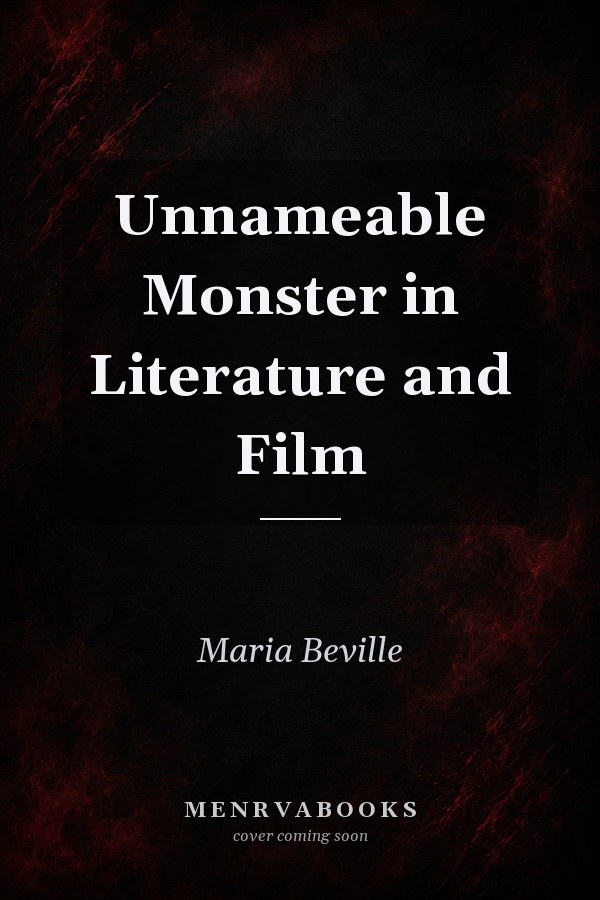
Unnameable Monster in Literature and Film
0
0
As an Amazon Associate and affiliate partner, Menrva Books earns from qualifying purchases. Learn more
Author Description
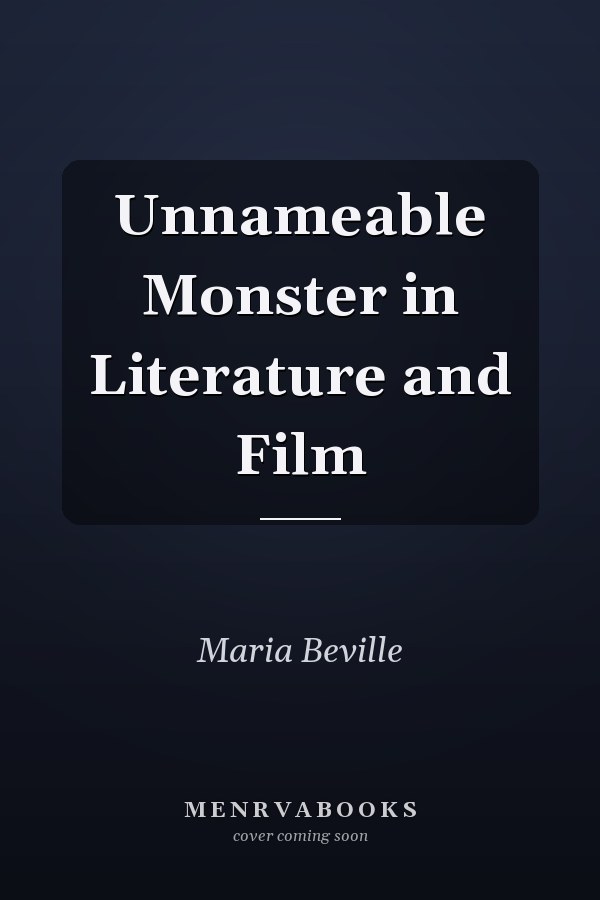
This Book Visits The 'thing' In Its Various Manifestations As An Unnameable Monster In Literature And Film, Reinforcing The Idea That The Very Essence Of The Monster Is Its Excess And Its Indeterminacy. Tied Primarily To The Artistic Modes Of The Gothic, Science Fiction, And Horror, The Unnameable Monster Retains A Persistent Presence In Literary Forms As A Reminder Of The Sublime Object That Exceeds Our Worst Fears. Beville Examines Various Representations Of This Elusive Monster And Argues That We Must Looks At The Monster, Rather Than Through It, At Ourselves. As Such, This Book Responds To The Obsessive Manner In Which The Monsters Of Literature And Culture Are 'managed' In Processes Of Classification And In Claims That They Serve A Social Function By Embodying All That Is Horrible In The Human Imagination. -- Publisher Website. Introduction -- Monsters As We Know Them: A History Of Named Monsters -- Articulating The Abstract: Theories Of The Unnameable -- Things Not To Be Named Nor Understood: The Unnameable Monster In Nineteenth Century Literature -- The Thing Keeps Coming Back: Modern And Postmodern Nondescripts -- The Spectacle Of The Lack: Real-ising The Monster On Screen -- Conclusion. Maria Beville. Includes Bibliographical References And Index.
Menrva's Summary
THE THESIS
This book investigates the ontological status of the 'unnameable monster' in literature and film, questioning how the essence of the monstrous is defined by its inherent excess and indeterminacy. Maria Beville, a scholar in literary and cultural studies, utilizes a framework rooted in the Gothic, science fiction, and horror genres to challenge traditional methods of monster classification. By analyzing the 'thing' as a sublime object that defies human categorization, she argues that these entities should be examined as autonomous phenomena rather than mere reflections of human anxieties or social functions.
THE SCOPE MAP
What You Will Find
- Historical analysis of named versus unnameable monsters in literature.
- Theoretical frameworks for interpreting abstract and non-descript entities.
- Examination of the transition from nineteenth-century literary tropes to modern and postmodern representations.
- Critical study of the visual realization of the 'lack' in cinematic horror.
- Bibliographical references and index for further academic inquiry.
THE AUTHORITY PERSPECTIVE
Scholars and critics identify this work as a significant contribution to the study of the sublime and the aesthetics of horror. Readers frequently note the academic density of the prose, which serves as a rigorous exploration of how cultural artifacts manage the unknown.
Page Count:
0
Publication Date:
2013-01-01
Publisher:
Taylor & Francis Group
ISBN-10:
0415833620
ISBN-13:
9780203496916
Horror
Science Fiction
Creative writing
Motion pictures
Gothic
Film Studies
In literature
Reference
Literary Criticism