Finance & Development, September 2007
0
0
As an Amazon Associate and affiliate partner, Menrva Books earns from qualifying purchases. Learn more
Author Description
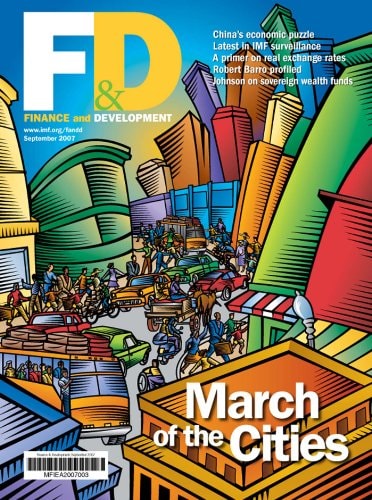
The September 2007 issue of F&D looks at the growth of cities and the trend toward urbanization. Within the next year, for the first time in history, more than 50 percent of the world's population will be living in urban rather than rural areas. What are the economic implications of this urban revolution? Economists generally agree that urbanization, if handled well, holds great promise for higher growth and a better quality of life. But as the lead article tells us, the flip side is also true: if handled poorly, urbanization could not only impede development but also give rise to slums. Other articles in this series look at poverty as an urban phenomenon in the developing world and the development of megacities and what this means for governance, funding, and the provision of services. Another group of articles discusses the challenge of rebalancing growth in China. 'People in Economics' profiles Harvard economist Robert Barro; 'Country Focus' looks at the challenges facing Mexico, and 'Back to Basics' takes a look at real exchange rates.
Menrva's Summary
THE THESIS
The September 2007 issue of Finance & Development examines the profound economic implications of global urbanization, a phenomenon poised to shift more than half the world's population into urban areas for the first time in history. The articles explore the dual nature of urbanization: its potential for driving higher growth and improving quality of life when managed effectively, versus its risks of impeding development and fostering slums if handled poorly. The issue delves into poverty as an urban challenge in developing nations, the complexities of megacity development concerning governance and service provision, and the specific economic rebalancing efforts in China. Additionally, it features profiles on economist Robert Barro, an analysis of Mexico's economic challenges, and a discussion on real exchange rates.
THE SCOPE MAP
- Analysis of the economic consequences of global urbanization and the trend toward cities.
- Discussion on poverty as an urban phenomenon in developing countries.
- Exploration of megacity development, governance, and service provision challenges.
- Articles addressing the rebalancing of economic growth in China.
- Profile of economist Robert Barro in the 'People in Economics' section.
- Country Focus on the economic challenges facing Mexico.
- Explanation of real exchange rates in the 'Back to Basics' section.
THE AUTHORITY PERSPECTIVE
This issue of Finance & Development, published by the International Monetary Fund, offers a timely examination of urbanization's economic impact. The collection of articles provides insights into both the opportunities and challenges presented by the increasing global shift towards urban living. It addresses critical issues such as poverty, governance, and economic development in rapidly growing cities, particularly in developing nations and emerging economies like China and Mexico. The inclusion of expert profiles and foundational economic concepts suggests a readership interested in both current global trends and core economic principles.
Page Count:
60
Publication Date:
2007-09-14
Publisher:
International Monetary Fund
ISBN-10:
1451953860
ISBN-13:
9781451953862
Non-Fiction
Economics
Urbanization
Poverty
Governance
Community Tags
Similar Books