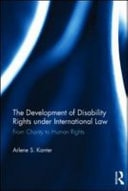
Development of Disability Rights Under International Law
0
0
As an Amazon Associate and affiliate partner, Menrva Books earns from qualifying purchases. Learn more
Author Description
The Adoption Of The Convention On The Rights Of People With Disabilities (cprd) By The United Nations In 2006 Marked A Major Watershed. The Crpd Is The First Comprehensive And Binding Treaty On The Rights Of People With Disabilities. It Establishes The Right Of People With Disabilities To Equality, Dignity, Autonomy, Full Participation As Well As Specific Rights Including The Right To Live In The Community, Supported Decision-making And Inclusive Education. Prior To The Crpd, International Law Had Provided Only Limited Protections To People With Disabilities, Although Some Countries Had Begun To Incorporate Rights Protections Into Their Respective Domestic Legislation.this Book Analyses The Development Of Disability Rights As An International Human Rights Movement, In Selected Countries In Asia, Africa, And The Middle East As Well As The United States. The Book Begins With An Examination Of The Status Of People With Disabilities Under International Law Prior To The Adoption Of The Cprd And Follows The Development Of Human Rights Protections Through The Drafting Process Of The Crpd. People With Disabilities, Like Women And Children Before Them, Waged A Battle To Enforce Their Rights On The International Stage Against A Backdrop Of Changing International Norms. The Book Highlights Four Areas The Right To Legal Capacity (article 12), The Right To Liberty And Freedom From Torture (articles 14 And 15), The Right To Live In The Community (article 19), And The Right To Inclusive Education, In Order To The Transformation From The Charity/deficit/medical Model Of Disability To The Human Rights Mode. These Areas Are Analyzed From A Comparative Perspective Including A Discussion Of The Laws, Policies, And Practices In Selected Countries In Order To Show The Success Of The Crpd In Achieving Protections Depends On The Extent To Which Individual Countries Begin To Enforce Domestic Laws And Policies And The Extent To Which Various Societies Change Their Attitudes About People With
Menrva's Summary
THE THESIS
This book investigates how the adoption of the Convention on the Rights of People with Disabilities (CRPD) transformed international human rights law by shifting the global paradigm from a medical or charity-based model to a human rights-based framework. Arlene S. Kanter, a professor of law and expert in disability rights, utilizes a comparative legal analysis to evaluate the efficacy of the CRPD. She examines the historical evolution of these rights, the drafting process of the treaty, and the subsequent implementation of domestic policies across diverse regions including Asia, Africa, the Middle East, and the United States.
THE SCOPE MAP
What You Will Find
- A detailed analysis of the transition from the medical/charity model to the human rights model of disability.
- Comparative legal studies of disability rights policies in Asia, Africa, the Middle East, and the United States.
- Examination of specific CRPD articles, including legal capacity, liberty, freedom from torture, and inclusive education.
- An assessment of the relationship between international treaty obligations and domestic enforcement mechanisms.
THE AUTHORITY PERSPECTIVE
Legal scholars and human rights practitioners identify this work as a foundational text for understanding the intersection of international law and disability advocacy. Readers frequently note the academic density of the prose, which provides a rigorous examination of the legal mechanisms required to enforce the rights of people with disabilities globally.
Page Count:
0
Publication Date:
2015-01-01
Publisher:
Taylor & Francis Group
ISBN-10:
0415524512
ISBN-13:
9780203711712
Law General
People with Disabilities
Human rights
Law
Law Disability
International Cooperation
International Law
Community Tags
Similar Books