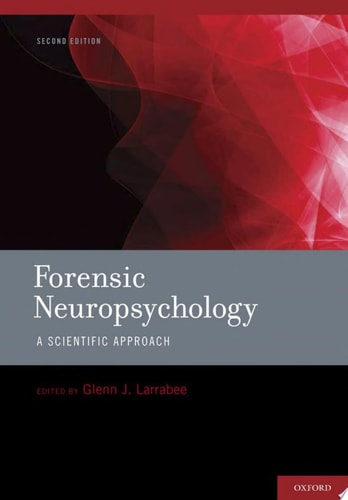
Forensic Neuropsychology: A Scientific Approach
0
0
As an Amazon Associate and affiliate partner, Menrva Books earns from qualifying purchases. Learn more
Author Description
Neuropsychologists are frequently asked to serve as experts for court cases where judgments must be made as to the cause of, and prognosis for, brain diseases and injuries, as well as the impact of brain dysfunction on legal competencies and responsibilities. This fully-updated second edition describes the application of neuropsychology to legal issues in both the civil and criminal courts. The book emphasizes the scientific basis of neuropsychology, as well as using a scientific approach in addressing forensic questions. All of the contributors are recognized experts in their fields, and the chapters cover common forensic issues such as appropriate scientific reasoning, the assessment of malingering, productive attorney-neuropsychologist interactions, admissibility of neuropsychological evidence, and ethics. Also covered are functional neuroimaging in forensic neuropsychology and the determination of damages in personal injury litigation, including pediatric brain injury (traumatic injury and perinatal birth injury), mild, moderate, and severe traumatic brain injury in adults, neurotoxic injury, chronic pain, post-traumatic stress disorder, and assessment of medically unexplained symptoms. Civil competencies in elderly persons with dementia are addressed in a separate chapter, and two chapters deal with the assessment of competency and responsibility in criminal forensic neuropsychology. The book closes with a perspective on trends in forensic practice and research. Like the previous edition, this new volume is an invaluable resource for neuropsychologists, attorneys, neurologists, clinical psychologists, psychiatrists, and their students and trainees.
Menrva's Summary
THE THESIS
This text investigates the application of neuropsychological science to legal proceedings, focusing on how brain function assessments inform judicial decisions regarding competency, responsibility, and damages. Edited by Glenn J. Larrabee, the volume compiles contributions from recognized experts to establish a rigorous scientific framework for forensic practice. It addresses the intersection of clinical brain science and the adversarial legal system, emphasizing evidence-based reasoning and ethical standards in expert testimony.
THE SCOPE MAP
What You Will Find
- Methodologies for assessing malingering and medically unexplained symptoms
- Guidelines for attorney-neuropsychologist collaboration and evidence admissibility
- Analysis of traumatic brain injury across pediatric and adult populations
- Examination of civil competencies in dementia cases and criminal responsibility
- Integration of functional neuroimaging into forensic evaluations
Scope Limits
- The text does not provide a comprehensive legal manual for non-psychologists
- It does not cover every possible jurisdiction-specific legal statute globally
THE AUTHORITY PERSPECTIVE
Experts identify this volume as a foundational reference for practitioners navigating the intersection of clinical neuropsychology and the courtroom. Readers frequently note the high level of academic density and the practical utility of the chapters for both seasoned clinicians and students in the field.
Page Count:
527
Publication Date:
2011-01-01
Publisher:
Oxford University Press
ISBN-10:
0190452447
ISBN-13:
9780190452445
Psychology
Neurology
Forensic Science
Allied Health
Medical
Law
Community Tags
Similar Books