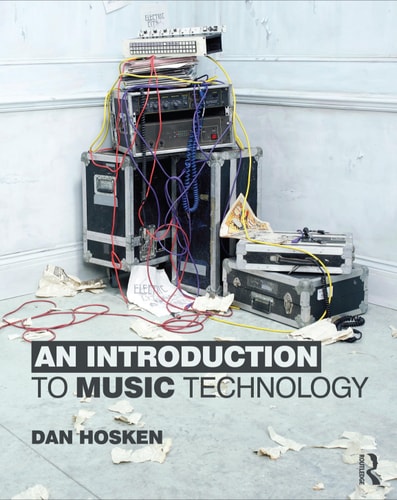
An Introduction to Music Technology
0
0
As an Amazon Associate and affiliate partner, Menrva Books earns from qualifying purchases. Learn more
Author Description
An Introduction to Music Technology provides a clear and concise overview of the essential elements of music technology for today’s musician. It is designed to provide music students with the background necessary to apply technology in their creating, teaching, and performing.This book focuses on five topics that underlie the hardware and software in use today: Sound, Audio, MIDI, Synthesis and Sampling, and Computer Notation and Computer-Assisted Instruction. In addition, there is an appendix that covers necessary computer hardware and software concepts.Features: Thorough explanations of key topics in music technology Content applicable to all software and hardware, not linked to just one piece of software or gear In-depth discussion of digital audio topics, such as sampling rates, resolutions, and file formats Explanations of standard audio plug-ins including dynamics processors, EQs, and delay-based effects Coverage of synthesis and sampling in software instruments Pedagogical features, including: Further Reading sections that allow the student to delve deeper into topics of interest– Suggested Activities that can be carried out with a variety of different programs– Key Terms at the end of each chapter– What do I need? chapters covering the types of hardware and software needed in order to put together Audio and MIDI systems– The companion website contains links to audio examples that demonstrate various concepts, step-by-step tutorials, relevant hardware, software, and additional audio and video resources.
Menrva's Summary
THE THESIS
This book investigates the fundamental principles of music technology to provide students with a comprehensive framework for applying digital tools in creative, pedagogical, and performance contexts. Daniel W. Hosken, an experienced educator in the field, synthesizes complex technical concepts into a structured guide that remains platform-agnostic. By focusing on the underlying mechanics of sound and digital systems, the text ensures that readers gain a transferable understanding of hardware and software rather than learning specific, transient interfaces.
THE SCOPE MAP
What You Will Find
- Core technical foundations including sound physics, audio signal flow, and MIDI protocols.
- Methodologies for utilizing synthesis, sampling, and computer-assisted music notation.
- Pedagogical tools such as chapter-end key terms, suggested practical activities, and further reading recommendations.
- Technical appendices covering essential computer hardware and software configurations for modern studio setups.
THE AUTHORITY PERSPECTIVE
Educators and students frequently cite this text as a foundational resource for its clear, vendor-neutral approach to music production technology. Experts highlight the book's effectiveness in bridging the gap between theoretical audio concepts and practical application in the classroom or studio.
Page Count:
400
Publication Date:
2010-01-01
Publisher:
Routledge
ISBN-10:
0203849515
ISBN-13:
9780203849514
Music
Technology
Reference
Audio Engineering
Music
Sound
Education
Community Tags
Similar Books