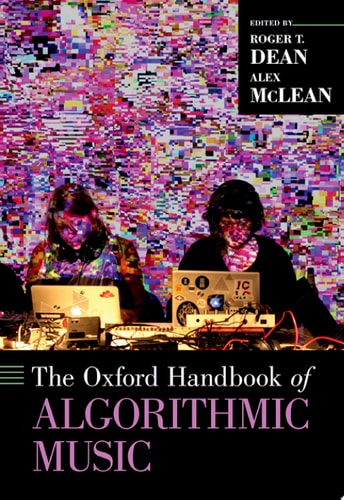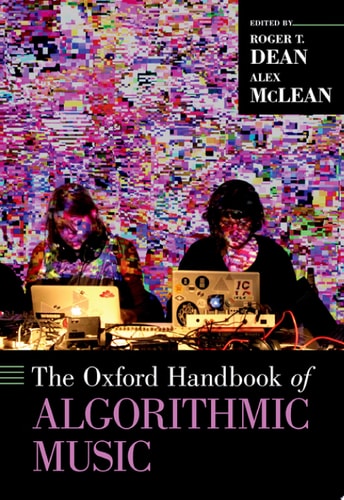
The Oxford Handbook of Algorithmic Music (Oxford Handbooks)
0
0
As an Amazon Associate and affiliate partner, Menrva Books earns from qualifying purchases. Learn more
Author Description
With the ongoing development of algorithmic composition programs and communities of practice expanding, algorithmic music faces a turning point. Joining dozens of emerging and established scholars alongside leading practitioners in the field, chapters in this Handbook both describe the state of algorithmic composition and also set the agenda for critical research on and analysis of algorithmic music. Organized into four sections, chapters explore the music's history, utility, community, politics, and potential for mass consumption. Contributors address such issues as the role of algorithms as co-performers, live coding practices, and discussions of the algorithmic culture as it currently exists and what it can potentially contribute society, education, and ecommerce. Chapters engage particularly with post-human perspectives - what new musics are now being found through algorithmic means which humans could not otherwise have made - and, in reciprocation, how algorithmic music is being assimilated back into human culture and what meanings it subsequently takes. Blending technical, artistic, cultural, and scientific viewpoints, this Handbook positions algorithmic music making as an essentially human activity.
Menrva's Summary
THE THESIS
This volume investigates the current state and future trajectory of algorithmic music by examining the intersection of computational composition, human creativity, and cultural integration. Editors Alex McLean and Roger T. Dean curate a collection of essays from scholars and practitioners to establish a framework for analyzing how algorithmic processes influence musical production, performance, and societal consumption. The text argues that algorithmic music is a fundamentally human activity that challenges traditional notions of authorship and post-human creativity.
THE SCOPE MAP
What You Will Find
- Historical development of algorithmic composition systems
- Analysis of live coding practices and co-performance dynamics
- Explorations of algorithmic culture in education and ecommerce
- Theoretical discussions on post-human musical aesthetics
Scope Limits
- Does not provide a technical manual or software tutorial for specific programming languages
- Does not offer an exhaustive catalog of every existing algorithmic music composition
THE AUTHORITY PERSPECTIVE
Experts identify this work as a comprehensive reference for researchers and practitioners navigating the intersection of musicology and computer science. Readers frequently note the academic density of the prose, which serves as a foundational text for those studying the cultural and technical implications of machine-assisted composition.
Page Count:
708
Publication Date:
2018-01-01
Publisher:
Oxford University Press
ISBN-10:
0190655712
ISBN-13:
9780190655716
Music
Sound acoustics
Humanities
Technology
Computer Science
Professional Career & Trade
Music
Engineering
Computer Composition
Music theory
Algorithmic Composition
Music Technology
Community Tags
Similar Books