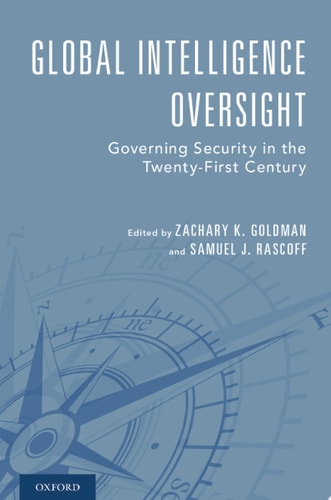
Global Intelligence Oversight
0
0
As an Amazon Associate and affiliate partner, Menrva Books earns from qualifying purchases. Learn more
Author Description
In A World That Is Increasingly Unstable, Intelligence Services Like The American Cia And The United Kingdom's Mi6 Exist To Deliver Security. Whether The Challenge Involves Terrorism, Cyber-security, Or The Renewed Specter Of Great Power Conflict, Intelligence Agencies Mitigate Threats And Provide Decisional Advantage To National Leaders. But Empowered Intelligence Services Require Adequate Supervision And Oversight, Which Must Be About More Than The Narrow (if Still Precarious) Task Of Ensuring The Legality Of Covert Operations And Surveillance Activities. Global Intelligence Oversight Is A Comparative Investigation Of How Democratic Countries Can Govern Their Intelligence Services So That They Are Effective, But Operate Within Frameworks That Are Acceptable To Their People In An Interconnected World. The Book Demonstrates How The Institutions That Oversee Intelligence Agencies Participate In The Protection Of National Security While Safeguarding Civil Liberties, Balancing Among Competing National Interests, And Building Public Trust In Inherently Secret Activities. It Does So By Analyzing The Role Of Courts And Independent Oversight Bodies As They Operate In Countries With Robust Constitutional Frameworks And Powerful Intelligence Services. The Book Also Illuminates A New Transnational Oversight Dynamic That Is Shaping And Constraining Security Services In New Ways. It Describes How Global Technology Companies And Litigation In Transnational Forums Constitute A New Form Of Oversight Whose Contours Are Still Undefined. As Rapid Changes In Technology Bring The World Closer Together, These Forces Will Complement Their More Traditional Counterparts In Ensuring That Intelligence Activities Remain Effective, Legitimate, And Sustainable.
Menrva's Summary
THE THESIS
How can democratic nations effectively govern intelligence services to ensure security while maintaining public trust and protecting civil liberties in an increasingly interconnected world? Samuel J. Rascoff and Zachary K. Goldman examine the intersection of national security and democratic accountability. Drawing on comparative legal analysis and institutional studies, the authors argue that traditional oversight mechanisms must evolve to address the complexities of modern surveillance and the influence of transnational actors.
THE SCOPE MAP
What You Will Find
- Comparative analysis of intelligence oversight frameworks in various democratic nations.
- Examination of the roles played by courts and independent oversight bodies.
- Investigation into the influence of global technology companies on intelligence practices.
- Analysis of transnational litigation as a mechanism for security service constraint.
Scope Limits
- The text does not provide a comprehensive history of specific intelligence operations.
- It does not offer a technical manual for conducting surveillance or counter-intelligence activities.
THE AUTHORITY PERSPECTIVE
Experts recognize this work as a significant contribution to the study of intelligence governance and democratic accountability. Readers frequently note the academic rigor and the clarity with which the authors navigate the complex balance between state secrecy and constitutional oversight.
Page Count:
256
Publication Date:
2016-01-01
Publisher:
Oxford University Press
ISBN-10:
0190458089
ISBN-13:
9780190458089
Governance
Law
National security
International relations
Community Tags
Similar Books