Author Description
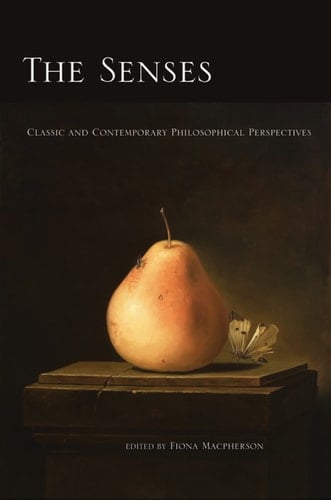
The senses, or sensory modalities, constitute the different ways we have of perceiving the world, such as seeing, hearing, touching, tasting and smelling. But how many senses are there? How many could there be? What makes the senses different? What interaction takes place between the senses? This book is a guide to thinking about these questions. Together with an extensive introduction to the topic, the book contains the key classic papers on this subject together with nine newly commissioned essays.One reason that these questions are important is that we are receiving a huge influx of new information from the sciences that challenges some traditional philosophical views about the senses. This information needs to be incorporated into our view of the senses and perception. Can we do this whilst retaining our pre-existing concepts of the senses and of perception or do we need to revise our concepts? If they need to be revised, then in what way should that be done? Research in diverse areas, such as the nature of human perception, varieties of non-human animal perception, the interaction between different sensory modalities, perceptual disorders, and possible treatments for them, calls into question the platitude that there are five senses, as well as the pre-supposition that we know what we are counting when we count them as five (or more).This book will serve as an inspiring introduction to the topic and as a basis from which further new research will grow.
Menrva's Summary
THE THESIS
This volume investigates the fundamental nature of sensory modalities and challenges the traditional classification of the five senses in light of contemporary scientific and philosophical inquiry. Fiona Macpherson, a prominent philosopher specializing in perception, curates a collection that bridges historical philosophical discourse with modern empirical data. The text argues that advancements in neuroscience and psychology necessitate a rigorous re-evaluation of how we define, count, and distinguish the various ways humans and non-human animals perceive their environment.
THE SCOPE MAP
What You Will Find
- A comprehensive introduction to the philosophy of perception and sensory modalities.
- A curated selection of classic foundational papers on the nature of the senses.
- Nine newly commissioned essays addressing current debates in the field.
- Analysis of perceptual disorders and their implications for sensory theory.
Scope Limits
- The text does not provide a clinical manual for treating sensory disorders.
- It does not offer an exhaustive history of every philosophical school of thought regarding perception.
THE AUTHORITY PERSPECTIVE
Scholars and students of philosophy of mind recognize this volume as a primary resource for navigating the intersection of traditional conceptual analysis and modern cognitive science. Readers frequently note the clarity of the editorial framing, which makes complex debates regarding sensory boundaries accessible to those new to the subject.
Page Count:
424
Publication Date:
2011-01-01
ISBN-10:
0190452617
ISBN-13:
9780190452612
Philosophy
Epistemology
Mind & Body
Perception
English
Philosophy of
English & College Success
Linguistics