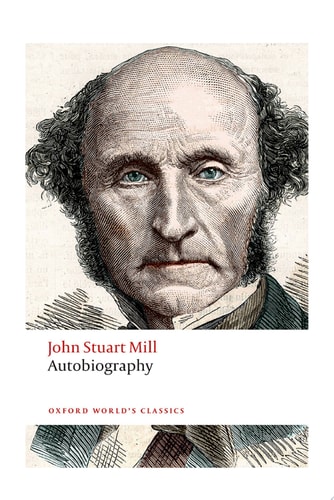
Autobiography
0
0
As an Amazon Associate and affiliate partner, Menrva Books earns from qualifying purchases. Learn more
Author Description
It may be useful that there should be some record of an education which was unusual and remarkable John Stuart Mill (1806-73), philosopher, economist, and political thinker, was the most prominent figure of nineteenth century English intellectual life and his work has continuing significance for contemporary debates about ethics, politics and economics. His father, James Mill, a close associate of the utilitarian philosopher Jeremy Bentham, assumed responsibility for his eldest son's education, teaching him ancient Greek at the age of three and equipping him with a broad knowledge of the physical and moral sciences of the day. Mill's Autobiography was written to give an account of the extraordinary education he received at the hands of his father and to express his gratitude to those he saw as influencing his thought, but it is also an exercise in self-analysis and an attempt to vindicate himself against claims that he was the product of hothousing. The Autobiography also acknowledges the substantial contribution made to Mill's thinking and writings by Harriet Taylor, whom he met when he was twenty-four, and married twenty-one years later, after the death of her husband. The Autobiography helps us understand more fully some of the principal commitments that Mill's political philosophy has become famous for, in particular his appreciation of the diversity, plurality, and complexity of ways of life and their possibilities. This edition of the Autobiography includes additional manuscript materials from earlier drafts which demonstrate the conflicting imperatives that influenced Mill'schoice of exactly what to say about some of the most significant episodes and relationships in his life. Mark Philps introduction explores the forces that led Mill to write the 'life' and points to the tensions in the text and in Mill's life.
Menrva's Summary
THE THESIS
John Stuart Mill investigates the formative influence of his rigorous, unconventional upbringing and the subsequent intellectual evolution that defined his contributions to nineteenth-century philosophy and political thought. As a prominent philosopher and economist, Mill utilizes this text to document the pedagogical methods employed by his father, James Mill, and the utilitarian circle surrounding Jeremy Bentham. The work serves as both a historical record of an intensive education and a personal defense against contemporary criticisms regarding his intellectual development. By examining his own life, Mill provides a framework for understanding the origins of his commitment to individual liberty, diversity, and social progress.
THE SCOPE MAP
What You Will Find
- Detailed accounts of Mill's early education in Greek, Latin, and the physical sciences.
- Analysis of the influence of Jeremy Bentham and the utilitarian movement on his early thought.
- Documentation of the intellectual partnership and marriage between John Stuart Mill and Harriet Taylor.
- Comparative insights derived from original manuscript drafts and revisions.
Scope Limits
- The text does not provide an exhaustive account of his later administrative career at the East India Company.
- It focuses primarily on intellectual and philosophical development rather than comprehensive personal or domestic history.
THE AUTHORITY PERSPECTIVE
Scholars and historians regard this text as a foundational document for understanding the development of Victorian intellectual life and the specific evolution of utilitarian thought. Readers frequently note the clinical, detached tone of the prose, which reflects Mill's own analytical approach to his personal history.
Page Count:
263
Publication Date:
2018-01-01
Publisher:
OUP Oxford
ISBN-10:
0191077712
ISBN-13:
9780191077715
Biography
Memoir
Philosophy
Autobiography
Great Britain
English & College Success
Philosophers - Biography
Economists
Nineteenth century
Intellectual History
Biography Autobiography
English
Community Tags
Other Editions(40)
Double 9 Booksllp
2023
Default edition
Creative Media Partners, LLC
2022

Courier Dover Publications
2022

Independently Published
2021
Bibliotech Press
2020

HardPress
2020

Astral International Pvt. Limited
2020
Pbshop.CompanyUK Limited DBA Echo Library
2019

CreateSpace Independent Publishing Platform
2018

CreateSpace Independent Publishing Platform
2018
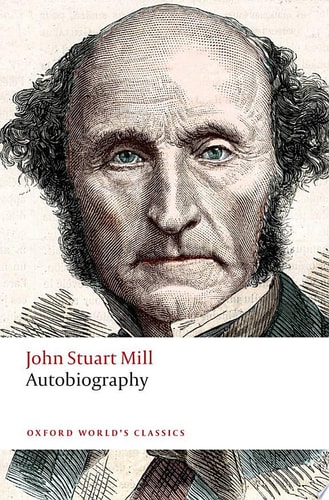
Oxford University Press
2018

Alpha Editions
2018
OUP Oxford
2018
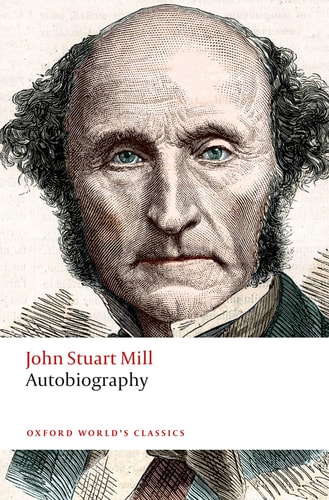
Oxford University Press
2018

CreateSpace Independent Publishing Platform
2016

Createspace Independent Publishing Platform
2016
Creative Media Partners, LLC
2016
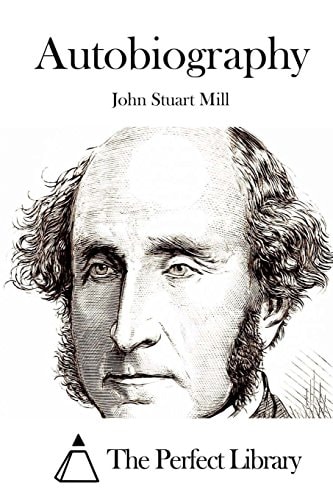
CreateSpace Independent Publishing Platform
2015
CreateSpace Independent Publishing Platform
2014

CreateSpace Independent Publishing Platform
2014
Simon & Schuster
2013
CreateSpace Independent Publishing Platform
2013

Classic Books
2013

CreateSpace Independent Publishing Platform
2013

CreateSpace Independent Publishing
2012
ReadaClassic.com
2010

Standard Publications, Incorporated
2009
Tutis Digital Publishing Pvt. Limited
2009

Wildside Press, LLC
2008

Dodo Press
2007
IndyPublish.com
2007

ReadHowYouWant.com, Limited
2006
ReadHowYouWant.com
2006

Classic Books
2001

Adegi Graphics LLC
1999
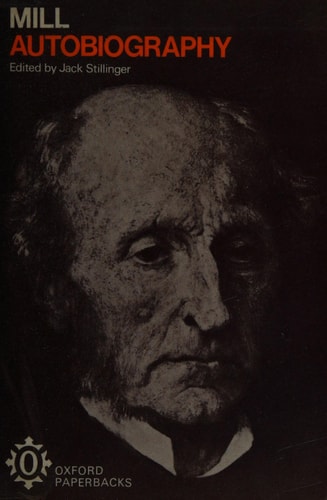
Oxford Paperbacks
1971
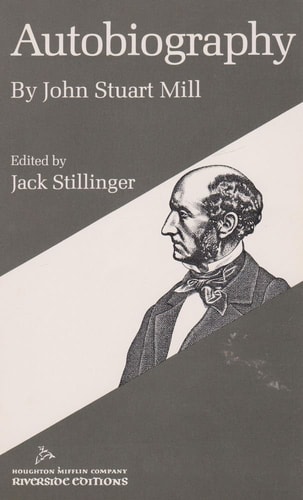
Houghton Mifflin
1969
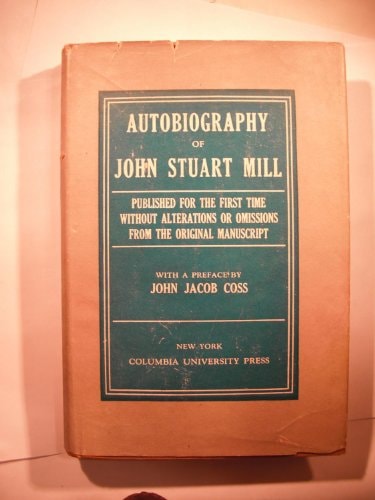
Columbia University Press
1924

Longmans, Green, Reader, and Dyer
1873

H. Holt
1873
Similar Books
Reader Comments
Share Your Thoughts
No comments yet. Be the first to share your thoughts!