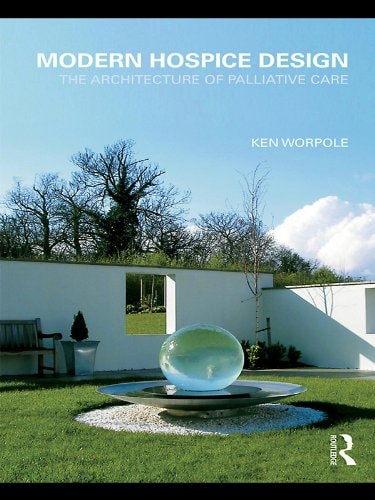
Modern hospice design: the architecture of palliative care
0
0
As an Amazon Associate and affiliate partner, Menrva Books earns from qualifying purchases. Learn more
Author Description
There is a global public debate going on about care for the elderly and the dying, and what is meant by good quality palliative care.This book begins with the rise of the modern hospice movement, begun in 1967. Today there are 8,500 modern hospice projects in 123 countries. The hospice has become an iconic building for this new culture. This is not a book about hospitals as such, but about what lessons the hospice movement has for new ideas about buildings for healthcare across the world.For architects and interior designers, estate and facility managers involved in hospice design, healthcare professionals, hospital administrators and Heathcare Trust Boards.
Menrva's Summary
THE THESIS
This book investigates how the architectural design of hospice facilities reflects and shapes the quality of palliative care in a global context. Ken Worpole, an expert in social architecture and public space, examines the evolution of the hospice movement since 1967 to argue that these buildings serve as a blueprint for broader healthcare innovation. By analyzing the intersection of clinical requirements and human-centered design, the author provides a framework for creating environments that prioritize dignity and comfort for the dying.
THE SCOPE MAP
What You Will Find
- Historical analysis of the modern hospice movement starting from 1967
- Architectural principles for creating therapeutic and non-institutional healthcare environments
- Case studies of hospice projects across diverse international contexts
- Strategic guidance for facility managers and healthcare administrators on spatial design
THE AUTHORITY PERSPECTIVE
Professionals in architecture and healthcare management identify this text as a primary resource for understanding the spatial requirements of end-of-life care. Experts frequently highlight the book's ability to bridge the gap between clinical necessity and humanistic design principles.
Page Count:
122
Publication Date:
2009-01-01
Publisher:
Routledge
ISBN-10:
0203878108
ISBN-13:
9780203878101
Architecture
Hospice Care
Design
Sociology
Healthcare