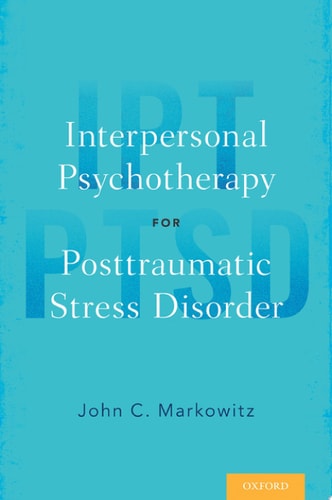
Interpersonal Psychotherapy for Posttraumatic Stress Disorder
0
0
As an Amazon Associate and affiliate partner, Menrva Books earns from qualifying purchases. Learn more
Author Description
Posttraumatic stress disorder (PTSD) is a prevalent, debilitating public health problem. Cognitive behavioral therapies (CBTs), and specifically exposure-based therapy, have long dominated PTSD treatment. Empirically supported treatments-Prolonged Exposure (PE), Cognitive Processing Therapy, Eye Movement Desensitization and Reprocessing (EMDR), and virtual reality therapy-all have relied upon the "fear extinction model" of exposing patients to reminders of their trauma until they grow accustomed to and extinguish the fear. While exposure-based treatments work, they (like all treatments) have their limits. Many patients refuse to undergo them or drop out of treatment prematurely; others may actually worsen in such treatment; and still others simply do not benefit from them.Interpersonal Psychotherapy for Posttraumatic Stress Disorder describes a novel approach that has the potential to transform the psychological treatment of PTSD. Drawing on exciting new clinical research findings, this book provides a new, less threatening treatment option for the many patients and therapists who find exposure-based treatments grueling. Interpersonal Psychotherapy (IPT) for PTSD was tested in a randomized controlled trial that compared three psychotherapies. Dr. Markowitz and his group found that IPT was essentially just as effective as exposure-based Prolonged Exposure. IPT had higher response rates and lower dropout rates than did PE, particularly for patients who were also suffering from major depression. These novel findings suggest that patients need not undergo exposure to recover from PTSD. Interpersonal Psychotherapy for Posttraumatic Stress Disorder describes an exciting alternative therapy for PTSD, details the results of the study, and provides an IPT treatment manual for PTSD.
Menrva's Summary
THE THESIS
Can Interpersonal Psychotherapy (IPT) serve as a viable, non-exposure-based alternative for the treatment of Posttraumatic Stress Disorder? Dr. John C. Markowitz, a prominent researcher in the field of psychotherapy, presents a clinical framework that challenges the dominance of the fear extinction model. By synthesizing data from randomized controlled trials, the author argues that IPT offers a less distressing therapeutic pathway that maintains clinical efficacy while improving patient retention rates compared to traditional exposure-based methods.
THE SCOPE MAP
What You Will Find
- Comparative analysis of IPT versus Prolonged Exposure therapy.
- Clinical data regarding patient response and dropout rates.
- A structured treatment manual for implementing IPT in PTSD cases.
- Evidence-based strategies for patients with comorbid major depression.
Scope Limits
- The text does not provide an exhaustive history of all trauma-informed therapies.
- It does not focus on pharmacological interventions for PTSD.
THE AUTHORITY PERSPECTIVE
Clinicians and researchers recognize this work as a significant contribution to the diversification of PTSD treatment protocols. Readers frequently note the clarity of the manualized approach, which provides a practical resource for practitioners seeking alternatives to exposure-based therapy.
Page Count:
184
Publication Date:
2016-08-04
Publisher:
Oxford University Press
ISBN-10:
019046559X
ISBN-13:
9780190465599
Psychology
Psychotherapy
Mental Health
Community Tags
Other Editions(2)
Similar Books










Reader Comments
Share Your Thoughts
No comments yet. Be the first to share your thoughts!