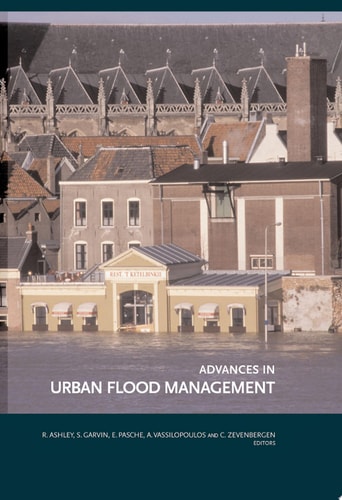
Advances in Urban Flood Management
0
0
As an Amazon Associate and affiliate partner, Menrva Books earns from qualifying purchases. Learn more
Author Description
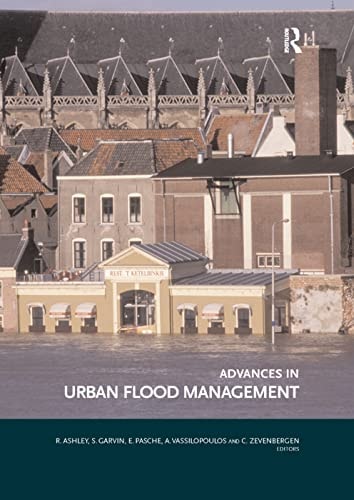
One Of The Effects Of Global Climate Change Is The Increasing Variability Of Extreme Flood Events And Cyclones. Current Measures To Mitigate Flood Impacts, Particularly In The Urban Environment, Are Based On Previously-planned Flood Risk Intervals And No Longer Provide Sufficient Protection. Being Prepared For Unexpected Changes And Extreme Flood Events Asks For A Paradigm Shift In Current Strategies To Avoid And Manage Flood Disasters. In Order To Stem The Increasing Impact Of Urban Floods, A Major Rethink Of Current Planning And Flood Management Policies And Practice Is Required, Taking Into Account Different Spatial And Temporal Scales. This Book Addresses A Broad Spectrum Of Relevant Issues In The Emerging Field Of Urban Flood Management. It May Act As A Stimulus For Further Research And Development In Urban Flood Management While Informing And Engaging Stakeholders In The Promotion Of Integrated And Cooperative Approaches In Water Management. An Interdisciplinary Approach Which Will Be Of Interest To All Those Who Are Active In Water, Risk And Urban Management.
Menrva's Summary
THE THESIS
This book investigates the necessity of a paradigm shift in urban flood management strategies to address the increasing variability of extreme weather events caused by global climate change. The authors, a team of experts in water and urban management, argue that traditional risk intervals are no longer sufficient for modern urban environments. They propose an integrated, interdisciplinary framework that accounts for varying spatial and temporal scales to better mitigate the impact of flood disasters. By synthesizing current policy limitations with emerging research, the text provides a roadmap for cooperative approaches to urban resilience.
THE SCOPE MAP
What You Will Find
- Analysis of the failure of traditional flood risk intervals in urban settings
- Frameworks for integrated and cooperative water management policies
- Case studies and research on managing extreme flood events and cyclones
- Methodologies for rethinking urban planning across different spatial and temporal scales
THE AUTHORITY PERSPECTIVE
Experts and practitioners in the field of urban planning and civil engineering recognize this work as a foundational text for understanding the transition toward adaptive flood management. Readers frequently note the technical density of the prose, which serves as a comprehensive resource for professionals and stakeholders involved in water risk mitigation.
Page Count:
512
Publication Date:
2007-01-01
Publisher:
Taylor & Francis Group
ISBN-10:
0203945980
ISBN-13:
9780203945988
Science
Social Science
Flood Control
Engineering
Runoff
Maîtrise
Gestion
Urban runoff
Climate Change
Inondations
Nature
urban planning