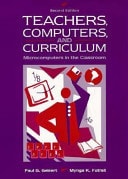
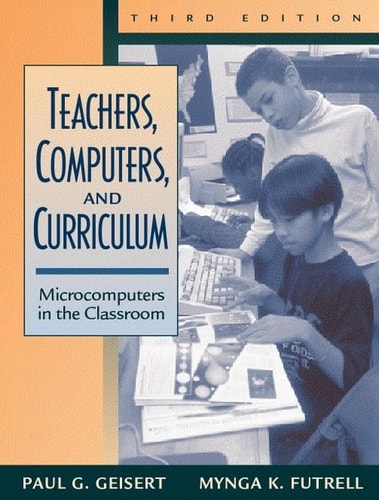
Teachers, Computers, and Curriculum: Microcomputers in the Classroom
0
0
As an Amazon Associate and affiliate partner, Menrva Books earns from qualifying purchases. Learn more
Author Description
Here is a book that pointedly focuses on what teachers need to consider in their classroom decision-making. Its main emphasis is on classroom and curricular integration, not on the panoply of available technology. It addresses the needs and concerns of preservice and inservice teachers of different experiential backgrounds, from computer novice through long-time proficient users.The book is up-to-date, with coverage of the Internet and World Wide Web and classroom networks, and the latest on multimedia applications. Just as importantly, this book reflects the shift of emphasis in how schools are putting technology to use with K-12 youngsters toward genuine fusion of computer use with instructional processes in diverse areas. The new tripartite structure of the book covers: 1) the information on the integration of technology into the curriculum (in its 10 chapters); 2) supportive computer literacy and technology information (within the six primer sections interspersed throughout the text); and 3) computer and pedagogical resources at chapters' ends. Thus, the book emphasizes methods of classroom and curricular integration while simultaneously reviewing the necessary information and issues to consider when deciding on computers for one's classroom. Additionally, the authors address significant concerns, including quality of software, gender equity, and copyright issues.
Menrva's Summary
THE THESIS
This text investigates how educators can effectively integrate microcomputer technology into K-12 curricula to enhance instructional processes rather than merely focusing on hardware availability. Authors Mynga K. Futrell and Paul G. Geisert draw upon their expertise in pedagogical development to provide a framework for teachers of varying technical proficiency. The book argues that successful technology implementation requires a deliberate fusion of digital tools with existing classroom objectives, addressing both the practical and ethical considerations of modern schooling.
THE SCOPE MAP
What You Will Find
- A tripartite structure covering curriculum integration, computer literacy primers, and pedagogical resource lists.
- Analysis of classroom network implementation and multimedia application strategies.
- Discussion of critical educational issues including software quality, gender equity, and copyright compliance.
- Methodological guidance for both preservice and inservice teachers navigating the shift toward technology-infused instruction.
THE AUTHORITY PERSPECTIVE
The text provides a structured, pragmatic approach to educational technology that prioritizes pedagogical outcomes over technical novelty. Its focus on the integration of digital tools into the classroom environment suggests a resource designed for educators seeking to bridge the gap between theoretical computer literacy and practical instructional application.
Page Count:
332
Publication Date:
1995-01-01
Publisher:
Prentice Hall
ISBN-10:
0205156274
ISBN-13:
9780205156276
Education
Instructional Design
Computer-assisted Instruction
Teaching Methods
Educational Technology
Community Tags
Other Editions(3)
Similar Books