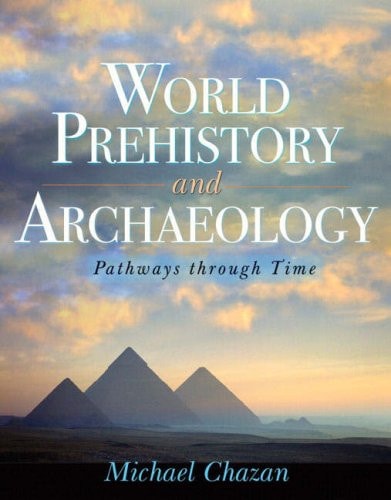
World Prehistory and Archaeology: Pathways through Time
0
0
As an Amazon Associate and affiliate partner, Menrva Books earns from qualifying purchases. Learn more
Author Description
World Prehistory and Archaeology: Pathways through Time integrates world prehistory with a discussion of archaeological methods and techniques—emphasizing the relevance of how we know what we know about our human prehistory, providing the tools to allow for a lifelong engagement with archaeology and drawing students into the process of archaeological research and discovery.Chazan brings students right up to the cutting edge of archaeological research by presenting the most recent discoveries and theoretical perspectives. How we know the past is inseparable from what we know of the past. This new text allows students to see that archaeology is a dynamic field in which knowledge is continuously refined through scientific inquiry while providing a sense of the relevance of archaeology in the contemporary world.As the cornerstone of this book is to present an integrated picture of prehistory as an active process of discovery, we cannot relegate methodological issues to the opening chapters alone. While the introduction to archaeological method in the first two chapters is necessary, the questions of how we know the past cannot be abandoned at that point. A number of features have been developed to draw together an integrated presentation of prehistory throughout the entire text.
Menrva's Summary
THE THESIS
How can the study of archaeological methods be integrated with the narrative of human prehistory to demonstrate that our knowledge of the past is a dynamic, ongoing process of scientific inquiry? Michael Chazan, an expert in Paleolithic archaeology, utilizes this text to bridge the gap between theoretical frameworks and the practical application of research techniques. By weaving methodological discussions throughout the historical timeline rather than isolating them in introductory chapters, the author provides a comprehensive perspective on how evidence is gathered, interpreted, and refined over time.
THE SCOPE MAP
What You Will Find
- A chronological survey of human prehistory from early hominids to the rise of complex societies.
- Detailed explanations of archaeological field techniques, dating methods, and analytical tools.
- Case studies illustrating the application of scientific inquiry to specific archaeological sites and findings.
- Theoretical frameworks for understanding human evolution, migration, and cultural development.
THE AUTHORITY PERSPECTIVE
This text is regarded as a structured, pedagogical resource that successfully balances broad historical coverage with the technical rigor required for undergraduate study. The integration of methodology into the historical narrative provides students with a clear understanding of the iterative nature of archaeological discovery.
Page Count:
544
Publication Date:
2007-03-12
Publisher:
Pearson
ISBN-10:
0205406211
ISBN-13:
9780205406210
History
Prehistoric peoples
Archaeology
Anthropology
Prehistory
Academic
Community Tags
Other Editions(4)


Similar Books