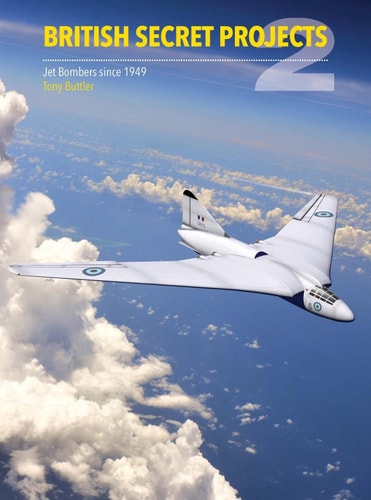
British Secret Projects 2: Jet Bombers Since 1949
0
0
As an Amazon Associate and affiliate partner, Menrva Books earns from qualifying purchases. Learn more
Author Description
Many bomber projects were drawn by British aircraft manufacturing companies in times of potential or actual combat. While names such as Canberra, Vulcan, Victor, TSR.2, Harrier and Tornado are widely known as they made it into the skies, the fact that so many other projects from different companies remained on the drawing board provides a rich diversity of "might-have-been" aircraft designs ripe for coverage. As with British Secret Projects 1: Jet Fighters since 1950, the author has researched extensively with particular emphasis on the design and development work that took place within various tender design competitions. Many little-known projects are included that help to illustrate how British bomber development changed against a backdrop of political upheaval, shrinking defense expenditure and technological advancement including supersonic flight, nuclear weapons and VTOL. The story starts with Britain's quest for a jet-powered Mosquito replacement and concludes with reference to the next leap forward, an unarmed bomber flown by pilots on the ground. Accompanied by detailed appendices of all British post-way bomber projects and specifications, color photographs and artwork, British Secret Projects 2: Jet Bombers since 1949provides a wealth of detailed information on the fascinating world of Cold War secret bomber projects.
Menrva's Summary
THE THESIS
This book investigates the multitude of British jet bomber designs that were conceptualized but never entered production between 1949 and the end of the Cold War. Author Tony Buttler, an established researcher in aviation history, draws upon extensive archival research, focusing on tender design competitions and the evolution of bomber concepts. The book argues that these
THE SCOPE MAP
- Coverage of numerous jet bomber projects that remained on the drawing board, including replacements for the Mosquito and concepts for unarmed, pilot-flown bombers.
- Detailed examination of design and development work within various tender design competitions.
- Analysis of how political upheaval, defense budget cuts, and technological advancements like supersonic flight, nuclear weapons, and VTOL influenced bomber development.
- Appendices detailing British post-war bomber projects and their specifications.
THE AUTHORITY PERSPECTIVE
This work is recognized for its deep dive into the often-overlooked secret projects of British aviation during the Cold War. It is valued for its meticulous research into tender competitions and the technological and political forces that shaped aircraft design. The inclusion of detailed appendices and visual materials further solidifies its standing as a comprehensive resource for aviation historians and enthusiasts interested in the 'what-ifs' of military aircraft development.
Page Count:
352
Publication Date:
2018-01-01
Publisher:
Crecy Publishing
ISBN-10:
1910809101
ISBN-13:
9781910809105
History
Non-Fiction
Aviation
Military History
Cold War
Technology
Community Tags
Similar Books