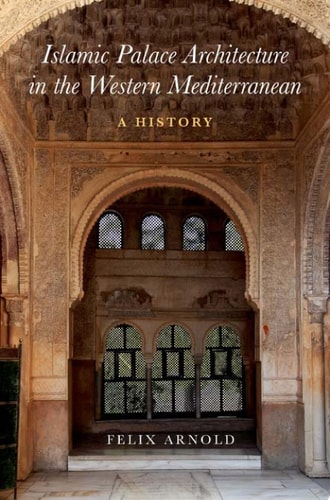
Islamic Palace Architecture in the Western Mediterranean: A History
0
0
As an Amazon Associate and affiliate partner, Menrva Books earns from qualifying purchases. Learn more
Author Description
Palaces Like The Aljafería And The Alhambra Rank Among The Highest Achievements Of The Islamic World. In Recent Years Archaeological Work At Córdoba, Kairouan And Many Other Sites Has Vastly Increased Our Knowledge About The Origin And Development Of Islamic Palatial Architecture, Particularly In The Western Mediterranean Region. This Book Offers A Comprehensive And Up-to-date Overview Of Islamic Palace Architecture In Spain, Morocco, Algeria, Tunisia And Southern Italy. The Author, Who Has Himself Conducted Archaeological Field Work At Several Prominent Sites, Presents All Islamic Palaces Known In The Region In Ground Plans, Sections And Individual Descriptions. The Book Traces The Evolution Of Islamic Palace Architecture In The Region From The 8th To The 19th Century And Places Them Within The Context Of The History Of Islamic Culture. Palace Architecture Is A Unique Source Of Cultural History, Offering Insights Into The Way Space Was Conceived And The Way Rulers Used Architecture To Legitimize Their Power. The Book Discusses Such Topics As The Influence Of The Architecture Of The Middle East On The Islamic Palaces Of The Western Mediterranean Region, The Role Of Greek Logic And Scientific Progress On The Design Of Palaces, The Impact Of Islamic Palaces On Norman And Gothic Architecture And The Role Of Sufism On The Palatial Architecture Of The Late Medieval Period.
Menrva's Summary
THE THESIS
This book investigates the evolution and cultural significance of Islamic palatial architecture in the Western Mediterranean from the 8th to the 19th century. Felix Arnold, an archaeologist with extensive field experience at major sites, synthesizes recent archaeological findings to examine how these structures functioned as tools of political legitimacy and spatial organization. He argues that these palaces serve as primary historical documents, reflecting the intersection of regional power dynamics, scientific progress, and religious influence.
THE SCOPE MAP
What You Will Find
- Comprehensive survey of Islamic palaces in Spain, Morocco, Algeria, Tunisia, and Southern Italy
- Detailed technical documentation including ground plans, sections, and site-specific descriptions
- Analysis of cross-cultural influences, including the impact of Middle Eastern design, Greek logic, and Sufi philosophy
- Examination of the architectural legacy left on Norman and Gothic building traditions
Scope Limits
- The study is geographically restricted to the Western Mediterranean region
- The analysis focuses primarily on palatial structures rather than broader domestic or religious architecture
THE AUTHORITY PERSPECTIVE
Experts recognize this work as a definitive reference for the architectural history of the Islamic West, noting the author's rigorous use of primary archaeological data. Readers frequently highlight the technical depth of the site descriptions and the clarity with which the author connects structural design to broader historical and cultural contexts.
Page Count:
0
Publication Date:
1900-01-01
Publisher:
Oxford University Press,
ISBN-10:
0190624574
ISBN-13:
9780190624576
Architecture
Archaeology
Mediterranean History
Art History
Cultural History
Palaces
Islamic History
Community Tags
Other Editions(2)
Similar Books