Los Angeles in the Thirties, 1931-1941
0
0
As an Amazon Associate and affiliate partner, Menrva Books earns from qualifying purchases. Learn more
Author Description
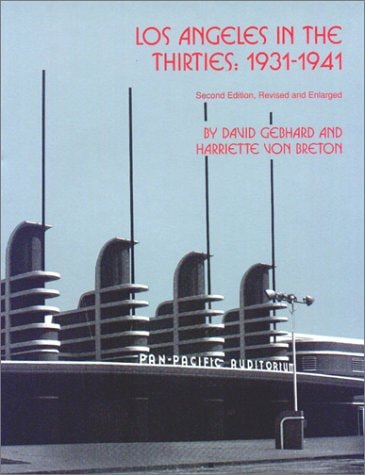
Speed, mobility, freedom: these governed the aesthetics of the "city of the future" as it spread its arterials across the Southern California landscape. If ever a city and a decade seemed meant for each other, it was Los Angeles and the streamlined '30s. The gloom of the Depression did little to curb the dynamism of this optimistic, greedy, sprawling metropolis. The Hollywood dream machine mirrored the aspirations of millions of Americans - a single-family home and yard, the independence of a private car on uncluttered streets, and the latest household conveniences. And L.A.'s built environment reflected the dreams, realizing in fact what the film sets offered in fantasy, with imagery ranging from up-to-date recreations of popular period styles to the stripped-classic monumentality of public buildings, and on toward the future in the sleek Moderne of curved corners, fluidly bent neon and metal tubing, and sculpted surfaces of stucco and glass brick... Attention is focused on the types of architectural imagery used in commercial, public, and residential buildings...
Menrva's Summary
THE THESIS
The 1930s Los Angeles architectural landscape embodied the era's aspirations for speed, mobility, and freedom, transforming the city into a sprawling metropolis that mirrored Hollywood's fantasies. Despite the economic hardships of the Great Depression, Los Angeles experienced a surge of dynamism, driven by the American dream of homeownership, personal transportation, and modern conveniences. The built environment of the period reflected these desires, showcasing a range of styles from updated period revivals to monumental public buildings and the sleek, futuristic lines of the Moderne. This book specifically examines the architectural imagery employed in commercial, public, and residential structures throughout this transformative decade.
THE SCOPE MAP
- Architectural imagery in commercial buildings
- Architectural imagery in public buildings
- Architectural imagery in residential buildings
- The influence of the Hollywood dream machine on urban aesthetics
- The role of speed, mobility, and freedom in shaping the city's design
- The impact of the Great Depression on architectural dynamism
- Exploration of styles ranging from period revivals to sleek Moderne
THE AUTHORITY PERSPECTIVE
This book is regarded as a significant study of a pivotal decade in Los Angeles's architectural history. It is noted for its detailed examination of how the era's cultural aspirations, particularly those fueled by Hollywood and the promise of personal freedom, were translated into the city's built environment. The analysis of commercial, public, and residential architecture provides a comprehensive view of the period's aesthetic trends, from traditional revivals to the avant-garde Moderne style. The work is appreciated for its focus on the visual language of the city during a time of both economic challenge and ambitious growth.
Page Count:
185
Publication Date:
1989-01-01
Publisher:
Hennessey & Ingalls
ISBN-10:
0912158972
ISBN-13:
9780912158976
Non-Fiction
Architecture
History
American Studies
urban planning
Community Tags
Similar Books