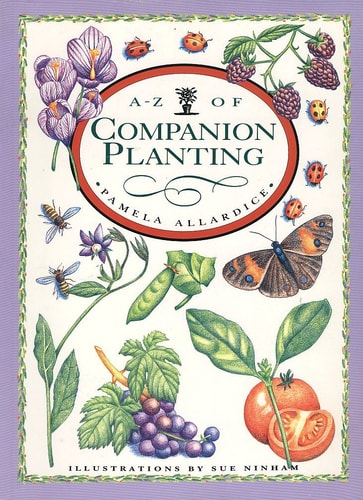
A-Z of Companion Planting
0
0
As an Amazon Associate and affiliate partner, Menrva Books earns from qualifying purchases. Learn more
Author Description
Plants are careful about the company they keep. Some help each other to grow, while others repel insects and even other plants. Over the years, farmers and gardeners have observed how plants affect each other, especially how certain herbs benefit the growth of nearby plants. For example, garlic planted next to roses deters aphids and other predators, strawberries grown next to borage produces sweeter fruit that are less susceptible to fungus and mould disease. Chives also have a reputation for helping their neighbours. This alphabetical guide to companion planting for fruit, vegetables, flowers and herbs, enables the reader to plant a garden that will be better able to take care of itself without the need to control pests and diseases with chemical insecticides and pesticides.
Menrva's Summary
THE THESIS
This guide investigates the symbiotic relationships between plant species to determine how strategic placement can optimize garden health and productivity. Pamela Allardice synthesizes traditional agricultural observations and horticultural practices to provide a framework for natural pest management. By leveraging the chemical and physical interactions between herbs, vegetables, and flowers, the author argues that gardeners can minimize reliance on synthetic chemical interventions.
THE SCOPE MAP
What You Will Find
- An alphabetical reference index for specific fruit, vegetable, flower, and herb pairings.
- Practical methodologies for natural pest deterrence and disease prevention.
- Case-based evidence regarding the growth-enhancing properties of companion species.
- Strategies for creating self-sustaining garden ecosystems without chemical pesticides.
THE AUTHORITY PERSPECTIVE
The text serves as a functional, accessible reference for gardeners seeking to integrate ecological principles into their cultivation practices. Its structured, alphabetical format provides a clear, utilitarian approach to plant management for both novice and experienced growers.
Page Count:
208
Publication Date:
1993-01-01
Publisher:
Angus & Robertson
ISBN-10:
0207174245
ISBN-13:
9780207174247
Gardening
Agriculture
Reference
Horticulture