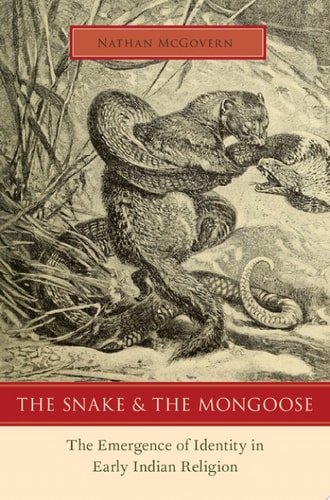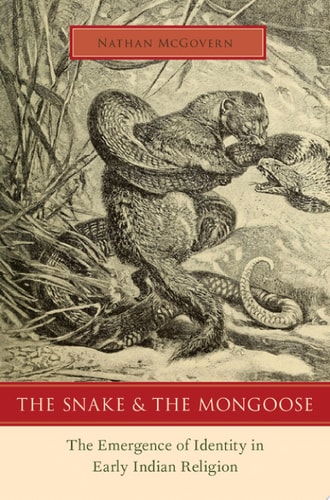
The Snake and the Mongoose
0
0
As an Amazon Associate and affiliate partner, Menrva Books earns from qualifying purchases. Learn more
Author Description
Since The Beginning Of Modern Indology In The 19th Century, The Relationship Between The Early Indian Religions Of Buddhism, Jainism, And Hinduism Has Been Predicated On A Perceived Dichotomy Between Two Meta-historical Identities: The Brahmans (purveyors Of The Ancient Vedic Texts And Associated Ritual System) And The Newer Non-brahmanical Sramana Movements From Which The Buddhists And Jains Emerged. Textbook And Scholarly Accounts Postulate An Opposition Between These Two Groups, Citing The 2nd-century Bce Sanskrit Grammarian Patañjali, Who Is Often Quoted Erroneously As Likening Them To The Proverbial Enemies Snake And Mongoose. Scholars Continue To Privilege Brahmanical Hindu Accounts Of Early Indian History, And Further Portray Buddhist And Jain Deviations From Those Accounts As Evidence Of Their Opposition To A Pre-existing Brahmanism. In The Snake And The Mongoose, Nathan Mcgovern Turns This Commonly-accepted Model Of The Origins Of The Early Indian Religions On Its Head. His Book Seeks To De-center The Hindu Brahman From Our Understanding Of Indian Religion By Taming The Snake And The Mongoose--that Is, By Abandoning The Anachronistic Distinction Between Brahmanical And Non-brahmanical. Instead, Mcgovern Allows The Earliest Articulations Of Identity In Indian Religion To Speak For Themselves Through A Comparative Reading Of Texts Preserved By The Three Major Groups That Emerged From The Social, Political, Cultural, And Religious Foment Of The Late First Millennium Bce: The Buddhists And Jains As They Represented Themselves In Their Earliest Sutras, And The Vedic Brahmans As They Represented Themselves In Their Dharma Sutras. The Picture That Emerges Is Not Of A Fundamental Dichotomy Between Brahmanical And Non-brahmanical, But Rather Of Many Different Groups Who All Saw Themselves As Brahmanical. Thus, Mcgovern Argues, It Was Through The Contestation Between These Groups That The Distinction Between Brahmanical And Non-brahmanical--the Snake And The Mongoose
Menrva's Summary
THE THESIS
This book investigates the historical validity of the long-standing scholarly dichotomy between Brahmanical and non-Brahmanical religious identities in ancient India. Nathan McGovern, a scholar of early Indian religions, challenges the traditional academic reliance on the 'snake and mongoose' metaphor to describe the relationship between Vedic Brahmans and the Sramana movements. By analyzing primary source texts from the late first millennium BCE, he argues that the distinction between these groups was not a pre-existing reality but a later construct emerging from their mutual contestation.
THE SCOPE MAP
What You Will Find
- Comparative analysis of early Buddhist and Jain sutras alongside Vedic Dharma Sutras.
- A critical re-evaluation of the 2nd-century BCE grammarian Patañjali's influence on modern historiography.
- A framework for understanding religious identity as a fluid, self-defined process rather than a fixed binary.
Scope Limits
- The study focuses primarily on the late first millennium BCE and does not provide an exhaustive history of later medieval religious developments.
- The analysis is restricted to the textual self-representations of these specific groups and does not incorporate archaeological evidence.
THE AUTHORITY PERSPECTIVE
Scholars in the field of Indology recognize this work as a significant intervention in the study of early Indian religious history. Readers frequently note the academic density of the prose, which is intended for an audience familiar with the complexities of Vedic and Sramana traditions.
Page Count:
368
Publication Date:
2018-01-01
Publisher:
Oxford University Press
ISBN-10:
0190640804
ISBN-13:
9780190640804
Religion
History
Philosophy
Hinduism
Jainism
Indology
Buddhism
Community Tags
Similar Books