Illusions of Victory
0
0
As an Amazon Associate and affiliate partner, Menrva Books earns from qualifying purchases. Learn more
Author Description
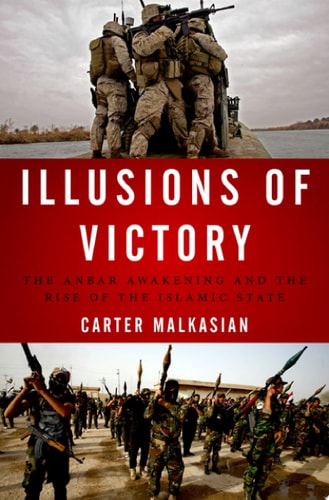
In The Immediate Aftermath Of The 2007 Surge Of American Troops In Iraq, The Defeat Of Al-qaeda In Iraq (aqi) In Anbar Province Was Widely Hailed As One Of America's Signature Victories. Us Marines And Soldiers Fought For Years There, In Grinding Battles Such As Fallujah And Ramadi That Define The Experience Of Iraq. Eventually, The Fractious Tribal Sheiks In That Province, With The Help Of American Troops, United In An Awakening That Dealt Aqi A Stunning Defeat. The Awakening's Success Argued That The United States Could Intervene In A War-torn Country And, With The Right Strategy, Bring Stability And Peace. It Seemed To Exemplify Snatching Victory From The Jaws Of Defeat. A Decade Later, The Situation In Anbar Province Is Dramatically Different. In 2014, Much Of Anbar Fell To The Aqi's Successor Organization, The Islamic State, Which Swept Through The Region With Shocking Ease. In Illusions Of Victory, Carter Malkasian Looks At The Wreckage To Explain Why The Awakening's Initial Promise Proved Misleading And Why Victory Was Unsustainable. Malkasian Begins By Tracing The Origins Of The Awakening, Then Turns His Attention To What Happened In Its Wake. After The United States Left, Iraq's Shi'a Government Sidelined Sunni Leaders Throughout The Country. Aqi, Brought Back To Life As The Islamic State, Expanded In Northern And Western Iraq And Quickly Found A Receptive Audience Among Marginalized Sunnis. In Short Order, The Progress That Had Resulted From The Awakening Fell Apart. Malkasian Draws Many Lessons From Anbar. Chief Among Them, The Most Stunning Of Victories May Not Last. The Fact That The Leading Model Of Success Fell Apart Severely Damages The Idea That The United States Can Send The Military To A Country For A Few Years And Create Lasting Peace. Even The Most Successful Example Was Bound To Deeper Social, Sectarian, And Religious Forces Insensitive To Temporary Boots On The Ground. From Today's Perspective, Rather Than Decisive Success, Anbar Exemplifies H
Menrva's Summary
THE THESIS
This book investigates why the apparent success of the 2007 Anbar Awakening failed to produce long-term stability in Iraq, ultimately questioning the efficacy of American military intervention in foreign conflicts. Carter Malkasian, a scholar with extensive experience in conflict zones and government advisory roles, utilizes historical analysis and regional observation to argue that the Anbar model was undermined by deep-seated sectarian and social forces. He posits that the temporary nature of military presence is insufficient to resolve complex, long-standing political grievances.
THE SCOPE MAP
What You Will Find
- A detailed historical account of the 2007 Anbar Awakening and its subsequent collapse in 2014.
- An analysis of the political marginalization of Sunni leaders by the Iraqi Shi'a government.
- Examination of the resurgence of Al-Qaeda in Iraq as the Islamic State.
Scope Limits
- The text does not provide a comprehensive history of the entire Iraq War, focusing specifically on the Anbar province.
- It does not offer a prescriptive manual for future military interventions, focusing instead on the limitations of past strategies.
THE AUTHORITY PERSPECTIVE
Experts and historians frequently cite this work as a critical examination of the limitations of counterinsurgency strategies. Readers often note the analytical depth and the sobering perspective the author provides regarding the sustainability of military-led peace efforts.
Page Count:
240
Publication Date:
2017-01-01
Publisher:
Oxford University Press
ISBN-10:
0190659432
ISBN-13:
9780190659431
History
Iraq War
Middle East
Military History
International relations
Community Tags
Similar Books