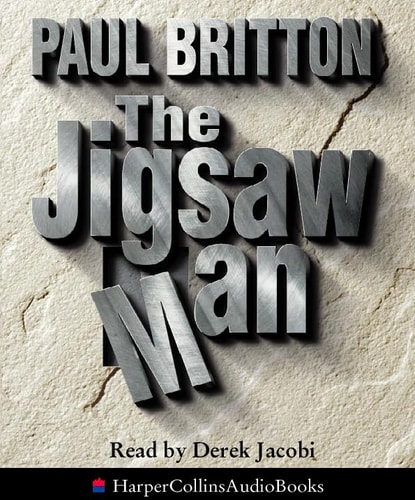
The Jigsaw Man: The Remarkable Career of Britain's Foremost Criminal Psychologist
0
0
As an Amazon Associate and affiliate partner, Menrva Books earns from qualifying purchases. Learn more
Author Description
Forensic psychologist Paul Britton asks himself four questions when he is faced with a crime scene: what happened: who is the victim: how was it done, and why? Only when he has the answers to these questions can he address the fifth: who is responsible? An intensely private and unassuming man, Britton has an almost mythic status in the field of crime deduction because of his ability to 'walk through the minds' of those who stalk, abduct, torture, rape and kill other human beings. What he searches for at the scene of a crime are not fingerprints, fibres or blood stains - he looks for the 'mind trace' left behind by those responsible; the psychological characteristics that can help police to identify and understand the nature of the perpetrator. Over the past dozen years he has been at the centre of more than 100 headline-making investigations, from the murder of Jamie Bulger to the abduction of baby Abbie Humphries, the slaying of Rachel Nickell on Wimbledon Common, the pursuit of the Green Chain rapist and the Heinz baby food extortionist, the notorious Gloucester House of Horror and most recently, the murder of Naomi Smith. Told with humanity and insight, The Jigsaw Man is Paul Britton's absorbing first-hand account of those cases, and of his groundbreaking analysis and treatment of the criminal mind. It combines the heart-stopping tension of the best detective thriller with his unique and profound understanding of the dark side of the human condition.
Menrva's Summary
THE THESIS
How does a forensic psychologist reconstruct the motivations and identities of violent offenders by analyzing the behavioral signatures left at a crime scene? Paul Britton, a prominent British forensic psychologist, details his methodology for profiling perpetrators by focusing on the 'mind trace' rather than physical evidence. Through a series of high-profile investigations, he demonstrates how psychological analysis serves as a critical tool for law enforcement in solving complex criminal cases.
THE SCOPE MAP
What You Will Find
- Detailed case studies of over 100 criminal investigations, including the Rachel Nickell murder and the Gloucester House of Horror.
- An explanation of the 'mind trace' methodology used to profile unknown offenders.
- First-hand accounts of the psychological pressures involved in high-stakes criminal profiling.
- Analysis of the behavioral patterns associated with abduction, extortion, and homicide.
THE AUTHORITY PERSPECTIVE
The text provides a clinical and methodical look at the development of criminal profiling within the British legal system during the late 20th century. Its focus on the technical application of psychological theory suggests a dense, specialist-oriented narrative that prioritizes procedural accuracy over sensationalism.
Page Count:
464
Publication Date:
1997-11-17
Publisher:
HarperCollins
ISBN-10:
0001054805
ISBN-13:
9780001054806
Memoir
Biography
True Crime
Psychology
Subjects
Forensic Science
Community Tags
Similar Books