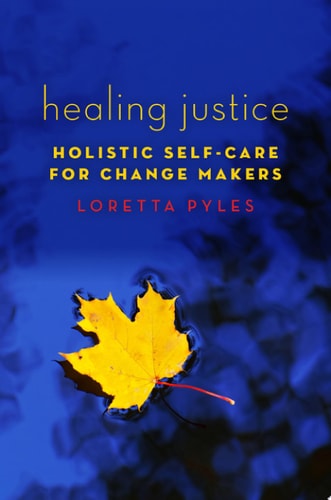
Healing Justice
0
0
As an Amazon Associate and affiliate partner, Menrva Books earns from qualifying purchases. Learn more
Author Description
In The Context Of Multiple Forms Of Global Economic, Social, And Cultural Oppression, Along With Intergenerational Trauma, Burnout, And Public Services Retrenchment, This Book Offers A Framework And Set Of Inquiries And Practices For Social Workers, Activists, Community Organizers, Counselors, And Other Helping Professionals. Healing Justice, A Term That Has Emerged In Social Movements In The Last Decade, Is Taught As A Practice Of Connecting To The Whole Self, What Many Are Conditioned To Ignore -- The Body, Mind-heart, Spirit, Community, And Natural World. Drawing From The East-west Modalities Of Mindfulness, Yoga, And Ayurveda, The Author Introduces Six Capabilities -- Mindfulness And Compassion; Critical Thinking And Curiosity; And Effort And Equanimity -- Which Can Guide Practitioners On A Transformative And Empowering Journey That Can Ultimately Make Them And Their Colleagues More Effective In Their Work. Using Case Studies, Critical Analysis, And Skill Sharing, Self-care Is Presented As An Act Of Resistance To Disconnection, Marginalization, And Internalized Oppression. Healing Justice Is A Trauma-informed Practice That Empowers Social Practitioners To Cultivate The Conditions That Might Allow Them To Feel More Connected To Themselves, Their Clients, Colleagues, And Communities. The Book Also Engages Critically With Self-care Practices, Including Investigation Into The Science Of Mindfulness, Cultural Appropriation, And The Commodification Of Self-care. The Message Is Clear That Mindfulness-based Practices Are Not A Panacea For Personal, Inter-personal, Or Political Problems. But, They Can Put Practitioners In A More Authentic And Powerful Place To Work From, Which Is Particularly Important In A World Where There Is More Connection To Technology, Ideologies, And People Who Share One's Beliefs, And Less Connection To The Natural World, People Who Are Different, And The Parts Of Oneself That One Tends To Reject. The Book Also Offers Suggestions For How To Share
Menrva's Summary
THE THESIS
This book investigates how helping professionals can integrate trauma-informed mindfulness and holistic practices to combat burnout and systemic oppression within their fields. Loretta Pyles, an academic and practitioner, utilizes a framework that bridges East-West modalities with critical social theory. She argues that personal well-being is a necessary component of effective social change, positioning self-care as a deliberate act of resistance against marginalization.
THE SCOPE MAP
What You Will Find
- A framework of six core capabilities including mindfulness, compassion, critical thinking, curiosity, effort, and equanimity.
- Integration of Eastern modalities like yoga and Ayurveda with Western social work practices.
- Critical analysis of the commodification of self-care and the risks of cultural appropriation.
- Case studies and practical exercises for community organizers and counselors.
Scope Limits
- The text does not present mindfulness as a universal solution for complex political or structural problems.
- It does not provide a clinical manual for treating specific psychiatric disorders, focusing instead on professional sustainability.
THE AUTHORITY PERSPECTIVE
Experts and practitioners view this work as a bridge between individual wellness and systemic social advocacy. Readers frequently note the balance between theoretical critique and actionable, trauma-informed exercises for those working in high-stress helping professions.
Page Count:
192
Publication Date:
2018-01-01
Publisher:
Oxford University Press
ISBN-10:
019066309X
ISBN-13:
9780190663094
Psychology
Sociology
Mindfulness
Self Care
Social Work
Social justice
Community Tags
Similar Books