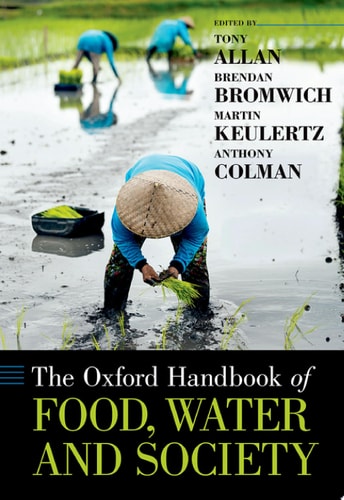
The Oxford Handbook of Food, Water and Society
0
0
As an Amazon Associate and affiliate partner, Menrva Books earns from qualifying purchases. Learn more
Author Description
Food, water and society: what is managed by whom, and with what impacts?Our food supply chains are at risk. Water resources--sometimes scarce, often damaged, and always under-valued--are among the major reasons why food and water security rank high every year in the World Economic Forum's major global risk analysis. A stable and sustainable food system is critical to society's survival. This Handbook shows that keeping the food system stable comes at the expense of the environment, especially of water resources and those who consume and manage them.The way the food system operates reflects hard political realities. Rather than pay for the environmental costs of sustainable production, society expects food at ever lower prices. Governments reflect their electorates in this regard. Given that farm production may account for as little as 10% of the food value chain in wealthy economies, it is striking that governments have been unwilling (or unable) to put in place the essential laws and accountability that would enable famers to ensure both production and stewardship. Corporate food traders, food manufacturers, and retailers on the other hand operate in markets that make profits and pay taxes. But these corporations are not contractually bound to utilize highly nutritious, sustainably produced food commodities.The articles in this Oxford Handbook have been written by water and food system scientists and professionals, including farmers, rarely heard voices who understand the problems of food producers, food manufacturers, and regulating markets and public policy. The articles address the blind spots of society and its public policymakers, demonstrating the importance of informing society about the consequences of its food preferences and the heroic challenges it is beginning to face. The damage we are doing to our water and soil ecosystems is as important as the damage we do to the atmosphere. Impressed by the technical and organizational advances of the past two cent
Menrva's Summary
THE THESIS
This volume investigates the complex, often adversarial relationship between global food supply chains, water resource management, and the political structures that govern them. The editors, including experts like Tony Allan, synthesize contributions from scientists, farmers, and policy professionals to argue that current food systems prioritize low consumer prices over environmental stewardship. The text posits that the lack of accountability in food value chains creates systemic risks for both ecological health and long-term societal stability.
THE SCOPE MAP
What You Will Find
- Analysis of the intersection between water scarcity and food production.
- Examination of the political economy governing global food markets.
- Perspectives from practitioners including farmers and food manufacturers.
- Evaluation of the environmental costs associated with current food pricing models.
Scope Limits
- The text does not provide a comprehensive guide to individual sustainable farming techniques.
- It does not offer a singular, universal solution for global food security, focusing instead on systemic diagnosis.
THE AUTHORITY PERSPECTIVE
Experts recognize this handbook as a comprehensive reference for understanding the structural tensions within food and water policy. Readers frequently note the academic density of the prose, which serves as a rigorous resource for researchers and policymakers in the field of environmental management.
Page Count:
944
Publication Date:
2019-10-25
Publisher:
Oxford University Press
ISBN-10:
0190669799
ISBN-13:
9780190669799
Economics
Water Supply
Agriculture
Public Policy
Food supply
Sustainability
Water Resources
Community Tags
Other Editions(2)
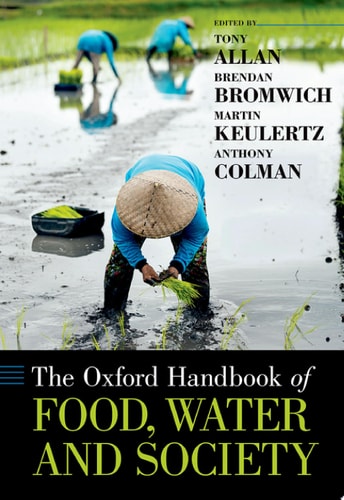
Similar Books


Reader Comments
Share Your Thoughts
No comments yet. Be the first to share your thoughts!