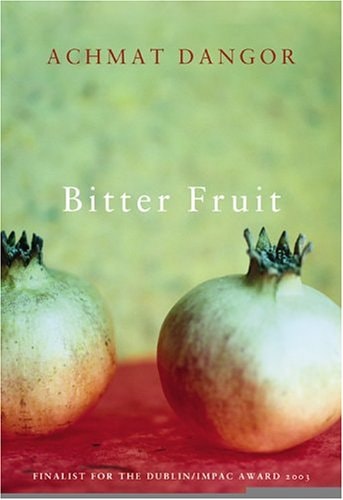
Bitter Fruit
0
0
As an Amazon Associate and affiliate partner, Menrva Books earns from qualifying purchases. Learn more
Author Description
THE LAST TIME Silas Ali encountered the lieutenant, Silas was locked in the back of a police van and the lieutenant was viciously raping Lydia, Silas’s wife. But a chance encounter twenty years later brings crimes from the past crashing into the present, shattering the fragile shell of normalcy that defines the Alis’ family life. Bitter Fruit is the story of Silas, Lydia and their circle of friends and family living in post-apartheid South Africa. It is also the story of their son Mikey, a child of “the new South Africa,” a young man whose own identity crisis, sexual adventuring and murderous search for his biological father are about to explode.With Bitter Fruit, Achmat Dangor ventures into territory no other South African writer has entered. The bitter fruits of apartheid—rape, incest, murder—are revealed in a riveting narrative that addresses the dynamic politics of race, history and the new elite in the context of contemporary times. But the novel is also a universal portrait of a modern family struggling to live in a dysfunctional society. By turns harrowing, erotic and fearlessly satirical, Bitter Fruit confirms the literary reputation of a gifted novelist.
Menrva's Summary
THE PULSE
A chance encounter twenty years after a traumatic assault forces a family to confront the buried secrets of their past in post-apartheid South Africa. Silas Ali and his wife, Lydia, attempt to maintain a fragile normalcy until the reappearance of the man who once brutalized them shatters their domestic stability. Their son, Mikey, struggles with his own identity and a violent search for his origins, further destabilizing the family unit. The narrative examines how historical trauma permeates the personal lives of individuals navigating a rapidly changing political landscape.
INSIDE THE PAGES
- Explores the lingering psychological impact of apartheid-era violence on contemporary family dynamics.
- Utilizes a multi-generational perspective to contrast the experiences of parents and their children.
- Incorporates themes of racial identity and the complexities of the new South African elite.
- Features a non-linear narrative structure that bridges past atrocities with present-day consequences.
- Examines the intersection of personal trauma and national political history.
- Portrays the internal conflict of a young man navigating his own sense of belonging.
- Employs a satirical tone to critique the social dysfunctions of a modernizing society.
- Focuses on the erosion of domestic boundaries when confronted with unresolved historical crimes.
THE COLLECTIVE ECHO
This novel is widely recognized for its unflinching examination of the psychological scars left by apartheid on the South African psyche. Critics often highlight the author's ability to weave intimate family drama with broader political commentary without sacrificing narrative tension. The work is frequently cited for its complex characterizations and its refusal to offer easy resolutions to the moral dilemmas presented. Readers and scholars alike note the significance of the book in mapping the transition from a state of institutionalized oppression to a fragile, modern democracy. The narrative remains a significant contribution to post-colonial literature by addressing the enduring, bitter consequences of systemic violence.
Page Count:
281
Publication Date:
2004-10-10
Publisher:
HarperCollins
ISBN-10:
0002005964
ISBN-13:
9780002005968
Contemporary
Literary Fiction
Political fiction
Fiction
Literary
Family Saga
South African
Genre Fiction
Literature & Fiction
Community Tags
Other Editions(5)



Similar Books












Reader Comments
Share Your Thoughts
No comments yet. Be the first to share your thoughts!