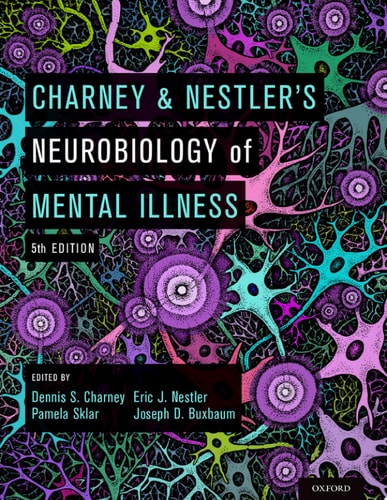
Charney & Nestler's Neurobiology of Mental Illness
0
0
As an Amazon Associate and affiliate partner, Menrva Books earns from qualifying purchases. Learn more
Author Description
In the years following publication of the DSM-5®, the field of psychiatry has seen vigorous debate between the DSM's more traditional, diagnosis-oriented approach and the NIMH's more biological, dimension-based RDoC (research domain criteria) approach. Charney & Nestler's Neurobiology of Mental Illness is an authoritative foundation for translating information from the laboratory to clinical treatment, and its fifth edition extends beyond this reference function to acknowledge and examine the controversies, different camps, and thoughts on the future of psychiatric diagnosis.In this wider context, this book provides information from numerous levels of analysis, including molecular biology and genetics, cellular physiology, neuroanatomy, neuropharmacology, epidemiology, and behavior. Sections and chapters are edited and authored by experts at the top of their fields. No other book distills the basic science and underpinnings of mental disorders-and highlights practical clinical significance-to the scope and breadth of this classic text.In this edition, Section 1, which reviews the methods used to examine the biological basis of mental illness in animal and cell models and in humans, has been expanded to reflect critically important technical advances in complex genetics (including powerful sequencing technologies and related bioinformatics), epigenetics, stem cell biology, optogenetics, neural circuit functioning, cognitive neuroscience, and brain imaging. This range of established and emerging methodologies offer groundbreaking advances in our ability to study the brain as well as unique opportunities for the translation of preclinical and clinical research into badly needed breakthroughs in our therapeutic toolkit.Sections 2 through 7 cover the neurobiology and genetics of major psychiatric disorders: psychoses (including bipolar disorder), mood disorders, anxiety disorders, substance use disorders, dementias, and disorders of childhood onset.
Menrva's Summary
THE THESIS
This text investigates the biological and genetic underpinnings of mental illness to bridge the gap between laboratory research and clinical psychiatric practice. Edited by prominent experts Dennis S. Charney, Eric J. Nestler, and Pamela Sklar, the book synthesizes complex data from molecular biology, neuroanatomy, and pharmacology. It provides a framework for understanding psychiatric disorders through both traditional diagnostic models and emerging dimensional approaches like the NIMH Research Domain Criteria (RDoC).
THE SCOPE MAP
What You Will Find
- Comprehensive reviews of methodologies including optogenetics, stem cell biology, and advanced brain imaging.
- Detailed analysis of major psychiatric conditions such as bipolar disorder, mood disorders, anxiety, and substance use disorders.
- Integration of molecular genetics, epigenetics, and neural circuit functioning.
Scope Limits
- The text focuses primarily on biological and neuroscientific foundations rather than psychotherapeutic or psychosocial intervention techniques.
- It does not provide exhaustive coverage of every rare psychiatric condition, focusing instead on major diagnostic categories.
THE AUTHORITY PERSPECTIVE
Experts and clinicians recognize this work as a foundational reference for understanding the biological basis of psychiatric disorders. Readers frequently note the high academic density of the prose, which is intended for medical professionals, researchers, and advanced students in the field.
Page Count:
1021
Publication Date:
2017-01-01
Publisher:
Oxford University Press
ISBN-10:
0190681446
ISBN-13:
9780190681449
Medical Textbook
Genetics
Psychiatry
Allied Health
Mental Health
Neuroscience
Medical
Community Tags
Similar Books







Reader Comments
Share Your Thoughts
No comments yet. Be the first to share your thoughts!