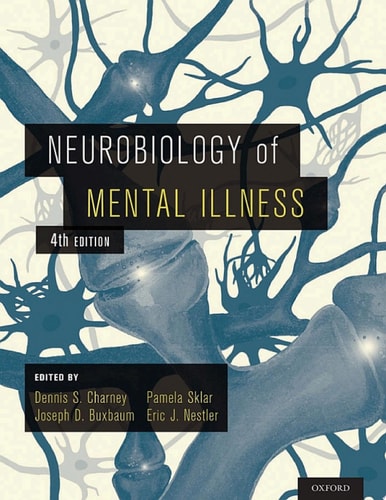
Neurobiology of Mental Illness
0
0
As an Amazon Associate and affiliate partner, Menrva Books earns from qualifying purchases. Learn more
Author Description
Our understanding of the neurobiological basis of psychiatric disease has accelerated in the past five years. The fourth edition of Neurobiology of Mental Illness has been completely revamped given these advances and discoveries on the neurobiologic foundations of psychiatry. Like its predecessors the book begins with an overview of the basic science. The emerging technologies in Section 2 have been extensively redone to match the progress in the field including new chapters on the applications of stem cells, optogenetics, and image guided stimulation to our understanding and treatment of psychiatric disorders. Sections' 3 through 8 pertain to the major psychiatric syndromes-the psychoses, mood disorders, anxiety disorders, substance use disorders, dementias, and disorders of childhood-onset. Each of these sections includes our knowledge of their etiology, pathophysiology, and treatment. The final section discusses special topic areas including the neurobiology of sleep, resilience, social attachment, aggression, personality disorders and eating disorders. In all, there are 32 new chapters in this volume including unique insights on DSM-5, the Research Domain Criteria (RDoC) from NIMH, and a perspective on the continuing challenges of diagnosis given what we know of the brain and the mechanisms pertaining to mental illness. This book provides information from numerous levels of analysis including molecular biology and genetics, cellular physiology, neuroanatomy, neuropharmacology, epidemiology, and behavior. In doing so it translates information from the basic laboratory to the clinical laboratory and finally to clinical treatment. No other book distills the basic science and underpinnings of mental disorders and explains the clinical significance to the scope and breadth of this classic text. The result is an excellent and cutting-edge resource for psychiatric residents, psychiatric researchers, doctoral students, and postdoctoral fellows the neurosciences.
Menrva's Summary
THE THESIS
This text investigates the rapidly evolving neurobiological foundations of psychiatric disorders and their implications for clinical diagnosis and treatment. The authors, led by Dennis S. Charney, Joseph D. Buxbaum, and Pamela Sklar, synthesize data from molecular biology, genetics, and neuropharmacology to bridge the gap between laboratory research and bedside practice. The volume provides a comprehensive framework for understanding the pathophysiology of major psychiatric syndromes through the lens of modern technological advancements.
THE SCOPE MAP
What You Will Find
- Comprehensive coverage of major psychiatric syndromes including psychoses, mood disorders, anxiety, and substance use.
- Methodological insights into optogenetics, stem cell applications, and image-guided stimulation.
- Integration of DSM-5 criteria and the NIMH Research Domain Criteria (RDoC) framework.
Scope Limits
- The text focuses primarily on biological and physiological mechanisms rather than purely psychotherapeutic or social intervention models.
- It assumes a high level of prior knowledge in neuroscience and clinical psychiatry, making it unsuitable for general lay readers.
THE AUTHORITY PERSPECTIVE
Experts and academic reviewers consistently identify this volume as a foundational reference for psychiatric residents and neuroscientists. Readers frequently note the high academic density of the prose, which requires a strong background in biological sciences to fully synthesize the presented data.
Page Count:
4076
Publication Date:
2013-01-01
Publisher:
Oxford University Press
ISBN-10:
0190240814
ISBN-13:
9780190240813
Neurobiology
Psychiatry
Mental Health
Allied Health
Neuroscience
Medical Textbook
Medical
Community Tags
Similar Books








Reader Comments
Share Your Thoughts
No comments yet. Be the first to share your thoughts!