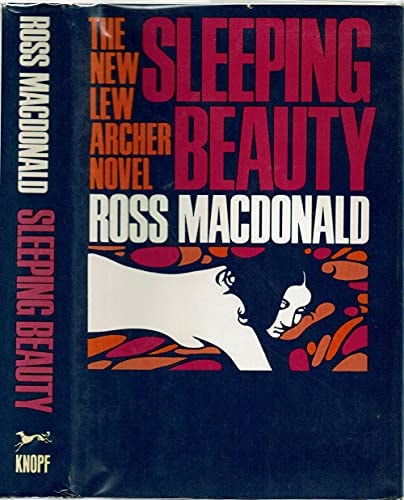
Sleeping Beauty
0
0
As an Amazon Associate and affiliate partner, Menrva Books earns from qualifying purchases. Learn more
Author Description
In Sleeping Beauty, Lew Archer finds himself the confidant of a wealthy, violent family with a load of trouble on their hands--including an oil spill, a missing girl, a lethal dose of Nembutal, a six-figure ransom, and a stranger afloat, face down, off a private beach. Here is Ross Macdonald's masterful tale of buried memories, the consequences of arrogance, and the anguished relations between parents and their children. Riveting, gritty, tautly written, Sleeping Beauty is crime fiction at its best.If any writer can be said to have inherited the mantle of Dashiell Hammett and Raymond Chandler, it is Ross Macdonald. Between the late 1940s and his death in 1983, he gave the American crime novel a psychological depth and moral complexity that his pre-decessors had only hinted at. And in the character of Lew Archer, Macdonald redefined the private eye as a roving conscience who walks the treacherous frontier between criminal guilt and human sin.
Menrva's Summary
THE PULSE
Private investigator Lew Archer is drawn into the volatile affairs of a wealthy family when a series of interconnected crimes, including a suspicious oil spill and a missing girl, demand his intervention. Archer must navigate the complex web of secrets surrounding a lethal poisoning and a high-stakes ransom demand, all while contending with the deep-seated resentment and moral decay festering within the family unit. The narrative unfolds through Archer's observant, first-person perspective, as he acts as a conduit for the hidden histories of those he investigates. He faces physical danger and psychological resistance from powerful figures who seek to maintain the status quo at any cost.
INSIDE THE PAGES
- Hardboiled detective narrative style
- Psychological exploration of familial trauma
- Setting centered on the California coast
- Focus on the intersection of environmental and social corruption
- Intricate, multi-layered plot structure
- Examination of the consequences of generational arrogance
- Atmospheric descriptions of wealth and decay
- Pacing driven by investigative discovery and dialogue
THE COLLECTIVE ECHO
Ross Macdonald is widely recognized for elevating the hardboiled detective genre through his focus on psychological depth and the moral failings of his characters. Readers and critics often highlight his ability to transform the standard private eye mystery into a profound study of human sin and familial dysfunction. The work is frequently compared to the classics of Dashiell Hammett and Raymond Chandler, yet it is noted for its unique emphasis on the lingering effects of the past. The consensus suggests that this novel serves as a definitive example of the author's skill in weaving complex, gritty narratives that challenge the reader's perception of justice.
Page Count:
253
Publication Date:
1973-01-01
Publisher:
Collins [for] the Crime Club
ISBN-10:
0002317753
ISBN-13:
9780002317757
Crime
Mystery
Noir
Hardboiled
Hard-Boiled
Mystery Thriller & Suspense
Detective
Ren Bryce Fictitious character
California fiction
Community Tags
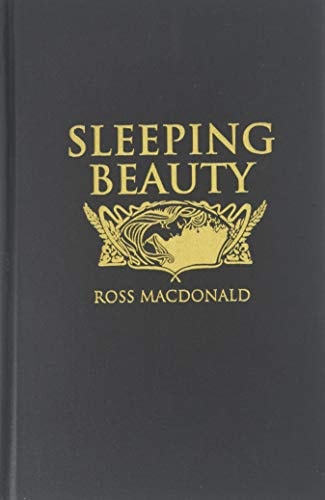
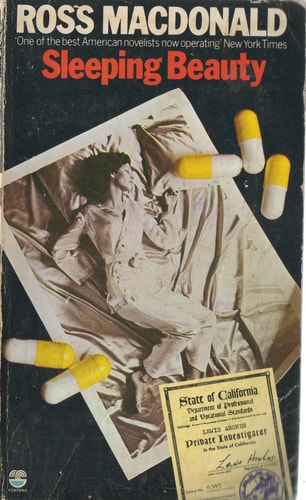
Other Editions(8)





Similar Books








Reader Comments
Share Your Thoughts
No comments yet. Be the first to share your thoughts!