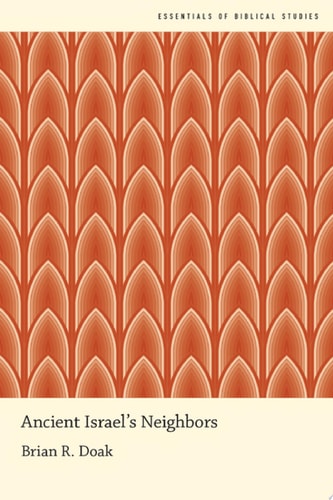
Ancient Israel's Neighbors: Essentials of Biblical Studies
0
0
As an Amazon Associate and affiliate partner, Menrva Books earns from qualifying purchases. Learn more
Author Description
Whether on a national or a personal level, everyone has a complex relationship with their closest neighbors. Where are the borders? How much interaction should there be? How are conflicts solved? Ancient Israel was one of several small nations clustered in the eastern Mediterranean region between the large empires of Egypt and Mesopotamia in antiquity. Frequently mentioned in the Bible, these other small nations are seldom the focus of the narrative unless they interact with Israel. The ancient Israelites who produced the Hebrew Bible lived within a rich context of multiple neighbors, and this context profoundly shaped Israel. Indeed, it was through the influence of the neighboring people that Israel defined its own identity-in terms of geography, language, politics, religion, and culture.Ancient Israel's Neighbors explores both the biblical portrayal of the neighboring groups directly surrounding Israel-the Canaanites, Philistines, Phoenicians, Edomites, Moabites, Ammonites, and Arameans-and examines what we can know about these groups through their own literature, archaeology, and other sources. Through its analysis of these surrounding groups, this book will demonstrate in a direct and accessible manner the extent to which ancient Israelite identity was forged both within and against the identities of its close neighbors. Animated by the latest and best research, yet written for students, this book will invite readers into journey of scholarly discovery to explore the world of Israel's identity within its most immediate ancient Near Eastern context.
Menrva's Summary
THE THESIS
This book investigates how the identity of ancient Israel was constructed and defined through its complex interactions with neighboring nations in the eastern Mediterranean. Brian R. Doak, a scholar of biblical studies, utilizes a synthesis of archaeological data, extra-biblical literature, and biblical texts to examine the geopolitical and cultural landscape of the ancient Near East. The primary argument posits that Israelite identity was not formed in isolation but was instead forged through constant negotiation, conflict, and cultural exchange with surrounding groups like the Canaanites, Philistines, and Arameans.
THE SCOPE MAP
What You Will Find
- Historical and cultural analysis of the Canaanites, Philistines, Phoenicians, Edomites, Moabites, Ammonites, and Arameans.
- Integration of archaeological findings alongside traditional biblical narratives.
- Methodological approaches for interpreting ancient identity and border politics.
Scope Limits
- The text focuses primarily on the immediate neighbors of Israel rather than the broader imperial powers of Egypt or Mesopotamia.
- It does not provide an exhaustive history of each individual nation, but rather focuses on their relationship with ancient Israel.
THE AUTHORITY PERSPECTIVE
Scholars and students frequently note that this text provides a highly accessible entry point into the complex geopolitical context of the Hebrew Bible. Experts highlight the work as a balanced resource that effectively bridges the gap between specialized archaeological research and general biblical studies curricula.
Page Count:
221
Publication Date:
2020-01-01
Publisher:
Oxford University Press
ISBN-10:
0190690623
ISBN-13:
9780190690625
History
Religion
Bibles
Near East
Archaeology
Bible
Judaism
Community Tags
Similar Books