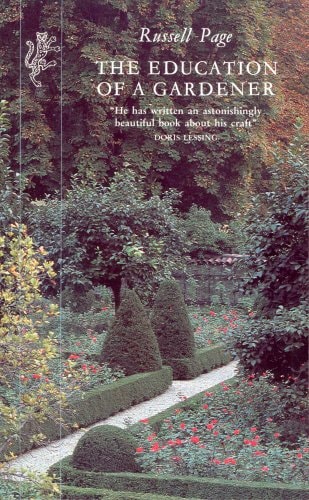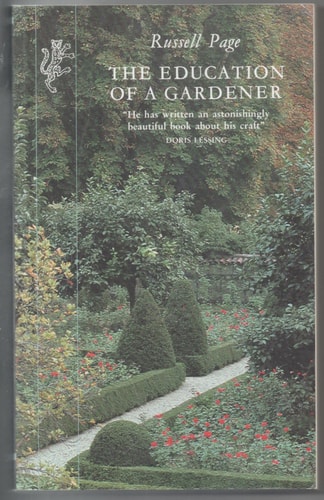
The Education of a Gardener
0
0
As an Amazon Associate and affiliate partner, Menrva Books earns from qualifying purchases. Learn more
Author Description
This is a classic memoir by one of the most famous landscape gardeners of the 20th century which describes the author’s training and the development of his many celebrated gardens. Russell Page was born in 1906 and studied art at the Slade School in London before a love of plants drew him to garden design. In his career he designed gardens all over the world, from Leeds Castle in Kent to the Donald M. Kendall Sculpture Garden at the Pepsi Cola Headquarters in New York, as well as in France, his home for many years. The Education of a Gardener is a fascinating portrait of a master of his craft and has proved an inspirational book for many gardeners since its first publication in 1962. Written in clear and elegant prose, it is illustrated with a substantial number of photographs, including, in this edition, hitherto unpublished pictures from Page’s files. Author Russell Page became a professional gardener in 1928 after studying painting at the Slade School of Art, and in Paris. He designed a great variety of gardens in Europe, the Middle-East, North and South America, ranging from small cottage gardens to elaborate layouts including Battersea Festival Gardens in 1952. He died in 1985. After his death The Times wrote, “In a world where the gifted amateur is no longer the guiding light in the design of gardens, and in which highly qualified professionals prevail, Russell Page stood out as one of those great originals, for which England has been famous”.
Menrva's Summary
THE THESIS
How does a professional landscape designer synthesize artistic training with horticultural practice to create enduring, harmonious outdoor spaces? Russell Page, a renowned 20th-century landscape architect, draws upon his background in fine arts and his extensive international career to articulate a philosophy of garden design. He examines the intersection of structural composition and botanical selection, arguing that a successful garden must function as a coherent extension of both the architecture and the surrounding landscape.
THE SCOPE MAP
What You Will Find
- Principles of landscape composition and spatial organization
- Historical context of 20th-century garden design across Europe and the Americas
- Practical insights into plant selection and site-specific planning
- Reflective accounts of major projects including Leeds Castle and the Pepsi Cola Headquarters
THE AUTHORITY PERSPECTIVE
The text is widely regarded as a foundational work in the field of landscape architecture, valued for its blend of technical expertise and aesthetic sensitivity. Its enduring presence in horticultural literature suggests it remains a primary reference for both professional designers and serious enthusiasts seeking to understand the structural logic of garden creation.
Page Count:
384
Publication Date:
1994-06-01
Publisher:
HarperCollins Publishers
ISBN-10:
0002713748
ISBN-13:
9780002713740
Memoir
Biography
Landscape architecture
Design
Gardening
Great Britain
Horticulture
Gardens