Gulliver's Travels
0
0
As an Amazon Associate and affiliate partner, Menrva Books earns from qualifying purchases. Learn more
Author Description
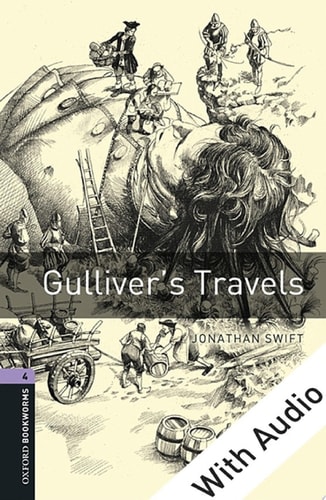
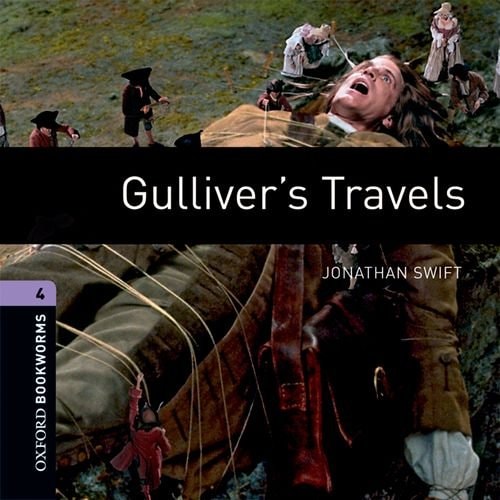
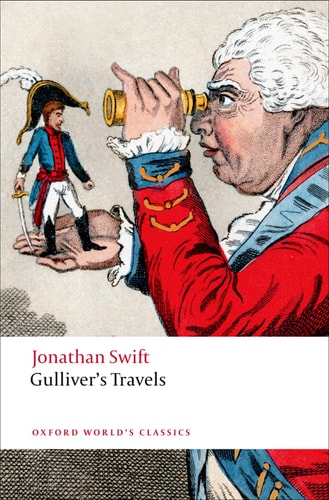
In Gulliver's Travels, the narrator represents himself as a reliable reporter of the fantastic adventures he has just experienced. But how far can we rely on a narrator who has been impersonated by someone else? The work purports to be a travel book, and describes the shipwrecked Gulliver's encounters with the inhabitants of four extraordinary places: Lilliput, Brobdingnag, Laputa, and the country of the Houyhnhnms. A consumately skillful blend of fantasy and realism makes Gulliver's Travels by turns hilarious, frightening, and profound. Swift's alter ego plays tricks on us, and our gullibility uncovers one of the world's most disturbing satires of the human condition.
Menrva's Summary
THE PULSE
Lemuel Gulliver, a ship's surgeon, finds his perception of humanity irrevocably altered after a series of shipwrecks strand him in lands populated by beings of vastly different scales and social structures. Gulliver attempts to navigate these alien societies—ranging from the miniature inhabitants of Lilliput to the rational, horse-like Houyhnhnms—while maintaining his identity as a civilized Englishman. His objective is to return home, yet each encounter forces him to confront the absurdity and moral failings of his own species. The narrative is presented as a travelogue, utilizing a first-person perspective that oscillates between clinical observation and mounting existential dread.
INSIDE THE PAGES
- Use of the travelogue format to frame satirical commentary on 18th-century politics.
- Juxtaposition of extreme physical scales to highlight the relativity of human importance.
- Employment of an unreliable narrator whose sanity degrades as the story progresses.
- Detailed world-building that contrasts fantastical biology with rigid social hierarchies.
- Philosophical exploration of the tension between human reason and animalistic instinct.
- Linguistic play and invented terminology to describe foreign cultures.
- Structural division into four distinct voyages, each focusing on a different aspect of human folly.
- A shift in tone from adventurous curiosity to profound misanthropy.
THE COLLECTIVE ECHO
This work remains a foundational pillar of Western satire, frequently analyzed for its biting critique of political corruption and human vanity. Readers often note the stark contrast between the whimsical nature of the early voyages and the bleak, philosophical weight of the final encounter with the Houyhnhnms. The text is widely regarded as a complex mirror held up to the reader, forcing an uncomfortable examination of societal norms and individual morality. Its enduring presence in literary discourse stems from the layers of irony that continue to challenge interpretations of the human condition.
Page Count:
0
Publication Date:
1726-10-28
Publisher:
Collins
ISBN-10:
0003395871
ISBN-13:
9780003395877
Travel
Fantasy
Adventure
Satire
classic
Classics
Literature & Fiction
Community Tags
Similar Books