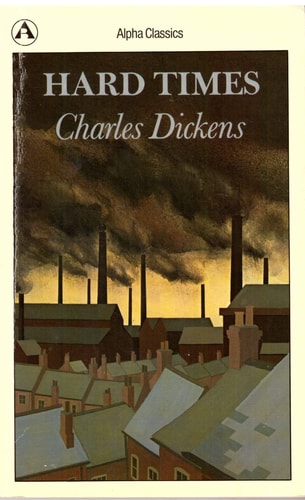
Hard Times
0
0
As an Amazon Associate and affiliate partner, Menrva Books earns from qualifying purchases. Learn more
Author Description
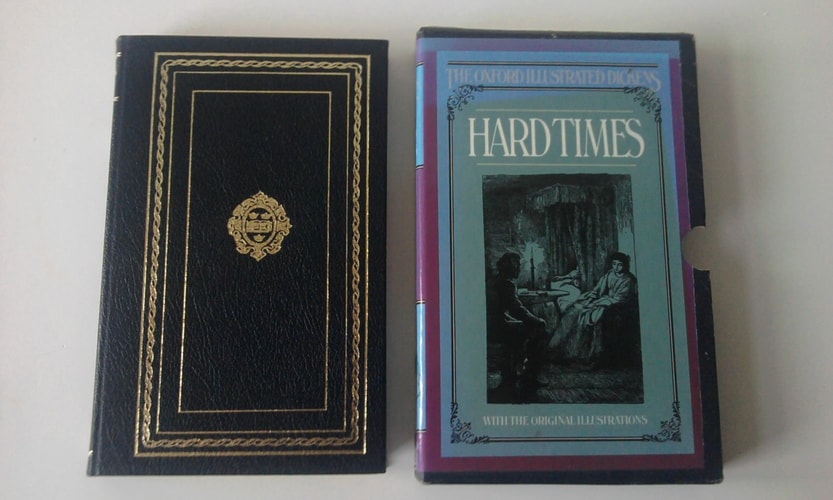
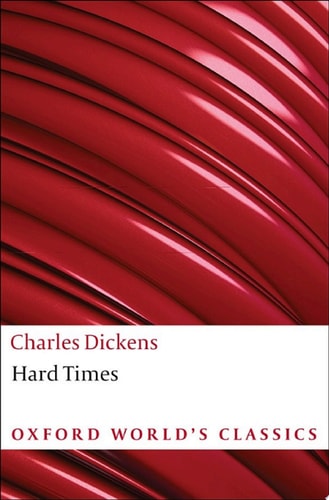
"My satire is against those who see figures and averages, and nothing else," proclaimed Charles Dickens in explaining the theme of this classic novel. Published in 1854, the story concerns one Thomas Gradgrind, a "fanatic of the demonstrable fact," who raises his children, Tom and Louisa, in a stifling and arid atmosphere of grim practicality.Without a moral compass to guide them, the children sink into lives of desperation and despair, played out against the grim background of Coketown, a wretched community shadowed by an industrial behemoth. Louisa falls into a loveless marriage with Josiah Bouderby, a vulgar banker, while the unscrupulous Tom, totally lacking in principle, becomes a thief who frames an innocent man for his crime. Witnessing the degradation and downfall of his children, Gradgrind realizes that his own misguided principles have ruined their lives.Considered Dickens' harshest indictment of mid-19th-century industrial practices and their dehumanizing effects, this novel offers a fascinating tapestry of Victorian life, filled with the richness of detail, brilliant characterization, and passionate social concern that typify the novelist's finest creations.Of Dickens' work, the eminent Victorian critic John Ruskin had this to say: "He is entirely right in his main drift and purpose in every book he has written; and all of them, but especially Hard Times, should be studied with close and earnest care by persons interested in social questions."
Menrva's Summary
THE PULSE
Thomas Gradgrind’s rigid adherence to utilitarian philosophy forces his children into a hollow existence, triggering a catastrophic collapse of his family unit. Driven by a fanatical devotion to demonstrable facts, Gradgrind systematically strips his children, Tom and Louisa, of imagination and emotional depth. As they mature within the suffocating environment of Coketown, the siblings struggle against the crushing weight of their father’s cold logic, leading them toward moral ruin and social isolation. The narrative, presented in a third-person omniscient voice, tracks the inevitable consequences of prioritizing industrial efficiency over human empathy.
INSIDE THE PAGES
- Satirical portrayal of utilitarian education systems
- Vivid depiction of the industrial landscape of Coketown
- Exploration of the conflict between fact and fancy
- Character-driven critique of Victorian social stratification
- Use of symbolic names to represent personality traits
- Examination of the dehumanizing effects of factory life
- Non-linear moral development of the central siblings
- Focus on the failure of rigid ideological frameworks
THE COLLECTIVE ECHO
Hard Times is widely recognized as one of the most pointed social critiques in the Victorian canon, specifically targeting the dehumanizing nature of industrialization. Critics often highlight the novel’s departure from Dickens' typical sprawling narratives, noting its tighter focus and more aggressive satirical tone. Readers frequently engage with the stark contrast between the cold, mechanical world of Gradgrind and the vibrant, albeit struggling, lives of the working class. The work remains a significant point of study for those interested in the intersection of literature and 19th-century social reform movements. Its enduring relevance stems from its examination of how rigid systems can erode the essential human capacity for empathy and imagination.
Page Count:
128
Publication Date:
1854-04-01
Publisher:
Collins.
ISBN-10:
0003701212
ISBN-13:
9780003701210
Industrial
classic
Victorian
Realism
Community Tags
Similar Books