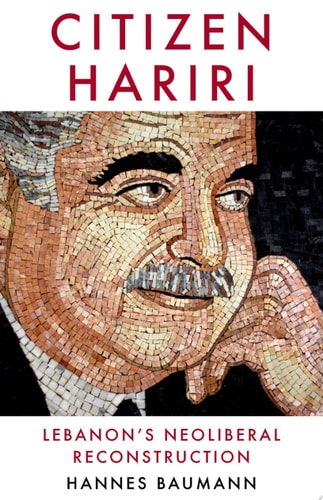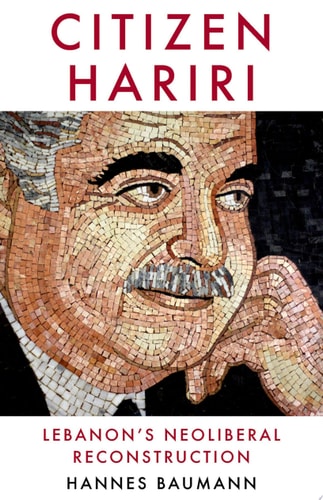
Citizen Hariri
0
0
As an Amazon Associate and affiliate partner, Menrva Books earns from qualifying purchases. Learn more
Author Description
Rafiq Hariri Was Lebanon's Silvio Berlusconi: A 'self-made' Billionaire Who Became Prime Minister And Shaped Postwar Reconstruction. His Assassination In February 2005 Almost Tipped The Country Into Civil Strife. Yet Hariri Was Neither A Militia Leader Nor From A Traditional Political Family. How Did This Outsider Rise To Wield Such Immense Political And Economic Power? Citizen Hariri Shows How The Billionaire Converted His Wealth And Close Ties To The Saudi Monarchy Into Political Power. Hariri Is Used As A Prism To Examine How Changes In Global Neoliberalism Reshaped Lebanese Politics. He Initiated Urban Megaprojects And Inflated The Banking Sector. And Having Grown Rich As A Contractor In The Gulf, He Turned Lebanon Into An Outlet For Gulf Capital. The Concentration Of Wealth And The Restructuring Of The Postwar Lebanese State Were Comparable To The Effects Of Neoliberalism Elsewhere. But At The Same Time, Hariri Was A Deeply Lebanese Figure. He Had To Fend Against Militia Leaders And A Hostile Syrian Regime. The Billionaire Outsider Eventually Came To Behave Like A Traditional Lebanese Political Patron. Hannes Baumann Assesses Not Only The Personal Legacy Of The Man Dubbed 'mr Lebanon' But Charts The Wider Social And Economic Transformations His Rise Represented.
Menrva's Summary
THE THESIS
How did a billionaire outsider leverage wealth and international patronage to fundamentally restructure the Lebanese state and economy? Hannes Baumann, a scholar of Middle Eastern politics, utilizes the life of Rafiq Hariri to investigate the intersection of global neoliberalism and local political patronage. By analyzing Hariri's transition from a Gulf-based contractor to a national leader, the author argues that Hariri's career serves as a specific case study for how private capital can reshape national governance and urban development in the post-Cold War era.
THE SCOPE MAP
What You Will Find
- Analysis of the postwar reconstruction of Lebanon through urban megaprojects.
- Examination of the relationship between the Saudi monarchy and Lebanese political influence.
- A framework for understanding the integration of Gulf capital into the Lebanese banking sector.
- Historical context regarding the tensions between Hariri, local militia leaders, and the Syrian regime.
Scope Limits
- The book does not provide a comprehensive biography of Hariri's early life outside of his business and political trajectory.
- It does not offer a detailed forensic investigation into the specific circumstances of his 2005 assassination.
THE AUTHORITY PERSPECTIVE
Experts in Middle Eastern studies identify this work as a rigorous analysis of the political economy of postwar Lebanon. Readers frequently note the academic density of the prose, which provides a detailed look at the structural changes within the Lebanese state.
Page Count:
251
Publication Date:
2017-01-01
Publisher:
Oxford University Press
ISBN-10:
0190862718
ISBN-13:
9780190862718
Economics
Biography
Business
History
Politics
Lebanon
Middle Eastern
Community Tags
Other Editions(2)

Similar Books