Rosy is My Relative
0
0
As an Amazon Associate and affiliate partner, Menrva Books earns from qualifying purchases. Learn more
Author Description
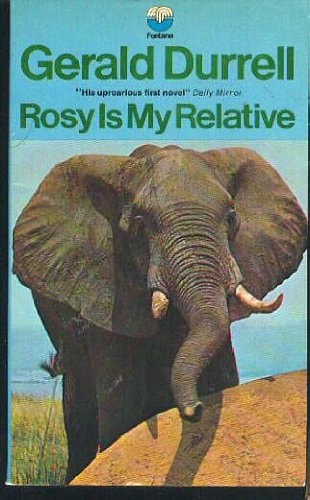
Rosy, the elephant bequeathed to young Adrian Rookwhistle by a reprobate relative, turned out to be a not alone because of her size but also because of her fondness for strong drink. To Adrian she represented the chance to get away froma City shop and a suburban lodging by exploiting her theatrical talent and experience. To Rosy their progress towards the gayer South Coast resorts offered undreamed-of opportunities for drink and destruction. So the Monkspepper Hunt is driven to delirium and Lady Fenneltree's stately home reduced to a shambles. In due course the always efficient local constabulary caught up with the pair, whose ensuing trial was a like a triumph of the law and of the author's comic genius. The verdict was--but the story has to be read to be believed, if then. Even though the author does maintain that it is entirely credible, indeed that this, his first novel, is 'an almost true story'.
Menrva's Summary
THE PULSE
When Adrian Rookwhistle inherits an elephant named Rosy, his quiet life is upended by the animal's penchant for alcohol and chaos. Adrian attempts to leverage Rosy's supposed theatrical talents to escape his mundane existence in a city shop, but his plans are thwarted by the elephant's unpredictable behavior. As they travel toward the South Coast, Rosy leaves a trail of destruction that disrupts local hunts and stately homes alike. The narrative follows their escalating conflict with the local constabulary, culminating in a courtroom trial that tests the limits of logic and law.
INSIDE THE PAGES
- Picaresque narrative structure following a road-trip across the English countryside
- Satirical depiction of British social classes and local authority figures
- Comedic focus on the physical and social disruption caused by an exotic animal
- First-person framing that emphasizes the absurdity of the protagonist's situation
- Character-driven humor centered on the eccentricities of both human and animal leads
- Exploration of the tension between personal ambition and uncontrollable external forces
- Stylistic reliance on slapstick and situational irony
- Narrative voice that balances observational wit with a sense of mounting chaos
THE COLLECTIVE ECHO
This novel is widely regarded as a lighthearted display of the author's signature wit and observational humor. Readers often note the absurdity of the premise, which leans heavily into the tradition of British comic fiction. The narrative is frequently praised for its ability to maintain a brisk, chaotic pace that mirrors the unpredictable nature of the titular elephant. While the story is presented as an almost true account, the reception highlights the author's skill in crafting a farce that remains grounded in its own internal logic.
Page Count:
222
Publication Date:
1968-01-01
Publisher:
Fontana
ISBN-10:
0006127339
ISBN-13:
9780006127338
Humor
Animals
Fiction
Satire
Modern fiction
English fiction
Contemporary
Literature & Fiction
Comedy
Community Tags
Other Editions(5)


Similar Books