Taxing Wars
0
0
As an Amazon Associate and affiliate partner, Menrva Books earns from qualifying purchases. Learn more
Author Description
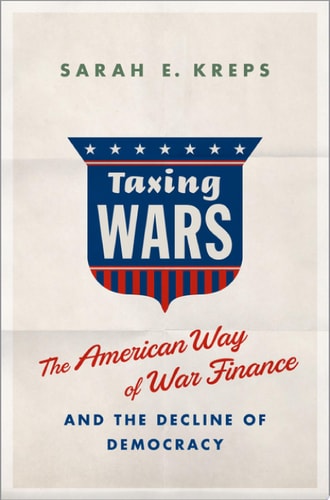
Why Have The Wars In Afghanistan And Iraq Lasted Longer Than Any Others In American History? The Conventional Wisdom Suggests That The Move To An All-volunteer Force And Unmanned Technologies Such As Drones Have Reduced The Apparent Burden Of War So Much That They Have Allowed These Conflicts To Continue Almost Unnoticed For Years. Taxing Wars Suggests That The Burden In Blood Is Just One Side Of The Coin. The Way Americans Bear The Burden In Treasure Has Also Changed, And These Changes Have Both Eroded Accountability And Contributed To The Phenomenon Of Perpetual War. Sarah Kreps Chronicles The Entire History Of How America Has Paid For Its Wars-and How Its Methods Have Changed. Early On, The United States Imposed War Taxes That Both Demanded Sacrifices From All Americans And Served As Reminders Of Their Participation. Indeed, Thinkers From Immanuel Kant To Adam Smith Argued That These Reminders Were Exactly The Reason Why Democracies Tended To Fight Shorter And Less Costly Wars. Bearing These Burdens Caused The Populace To Sue For Peace When The Costs Mounted. Leaders In A Democracy, Responsive To Their Citizens, Would Have Incentives To Heed That Opposition And Bring Wars To As Expeditious An End As Possible. Since The Korean War, The United States Has Increasingly Moved Away From War Taxes. Instead, Borrowing-and Its Comparatively Less Visible Connection With The War-has Become A Permanent Feature Of Contemporary Wars. The Move Serves Leaders Well Because Reducing The Apparent Burden Of War Has Helped Mute Public Opposition And Any Decision-making Constraints. But By Masking Accountability, However, The Move Away From War Taxes Undermines The Basis For Democratic Restraint In Wartime. Contemporary Wars Have Become Correspondingly Longer And Costlier As The Public Has Become Disconnected From Those Burdens. Given The Trends Identified In Taxing Wars, The Recent Past-epitomized By Our Lengthy Wars In Afghanistan And Iraq-is Likely To Be Prologue.
Menrva's Summary
THE THESIS
This book investigates how the shift from direct war taxation to deficit-financed military spending has eroded democratic accountability and contributed to the phenomenon of perpetual war. Sarah E. Kreps, a professor of government and expert in international relations, utilizes historical analysis and political theory to argue that the visibility of war costs is a critical mechanism for democratic restraint. By examining the transition from tax-funded conflicts to debt-financed operations, the author demonstrates how the disconnect between the public and the financial burden of war removes the incentives for leaders to seek timely resolutions to military engagements.
THE SCOPE MAP
What You Will Find
- A historical overview of American war financing from the early republic to the present day.
- An analysis of the relationship between Immanuel Kant and Adam Smith’s theories on democratic restraint and fiscal policy.
- A comparative study of public opposition levels during tax-funded versus debt-funded conflicts.
Scope Limits
- The book does not provide a comprehensive technical analysis of modern macroeconomic debt management strategies.
- It does not focus on the tactical or operational details of the wars in Afghanistan and Iraq, but rather on the political and fiscal context surrounding them.
THE AUTHORITY PERSPECTIVE
Scholars and political analysts frequently cite this work as a significant contribution to the study of civil-military relations and the political economy of war. Readers often note the clarity of the author's argument regarding the link between fiscal transparency and democratic oversight.
Page Count:
272
Publication Date:
2018-01-01
Publisher:
Oxford University Press
ISBN-10:
0190865318
ISBN-13:
9780190865313
History
Economics
Military History
Public Policy
International relations
Community Tags
Similar Books