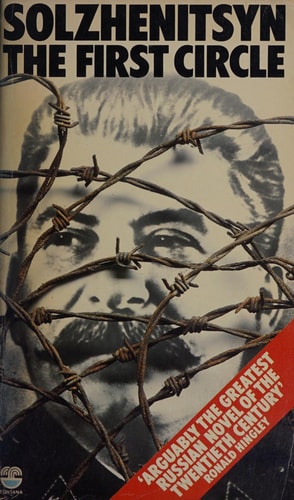
The First Circle
0
0
As an Amazon Associate and affiliate partner, Menrva Books earns from qualifying purchases. Learn more
Author Description
In the First Circle depicts the lives of the occupants of a sharashka (a research and development bureau made of GULAG inmates) located in the Moscow suburbs. This novel is highly autobiographical. Many of the prisoners (zeks) are technicians or academics who have been arrested under Article 58 of the RSFSR Penal Code in Joseph Stalin's purges following the Second World War. Unlike inhabitants of other gulag labor camps, the sharashka zeks were adequately fed and enjoyed good working conditions; however, if they found disfavor with the authorities, they could be instantly shipped to Siberia.The title is an allusion to Dante's first circle, or limbo of Hell in The Divine Comedy, wherein the philosophers of Greece, and other virtuous pagans, live in a walled green garden. They are unable to enter Heaven, as they were born before Christ, but enjoy a small space of relative freedom in the heart of Hell.
Menrva's Summary
THE PULSE
In a specialized Soviet prison research facility, a group of imprisoned scientists and intellectuals must navigate the precarious balance between intellectual labor and the looming threat of exile to the brutal labor camps. The narrative follows Gleb Nerzhin and his fellow inmates as they grapple with the moral compromises required to survive under the watchful eyes of the Stalinist regime. The story operates as a sprawling, multi-perspective examination of the Soviet state, utilizing a dense, realistic framework to document the psychological and physical confinement of its characters. The primary conflict pits the integrity of the individual against the crushing, irrational machinery of a totalitarian bureaucracy.
INSIDE THE PAGES
- Multi-perspective narrative structure focusing on a wide cast of prisoners and state officials
- Detailed depiction of the sharashka system as a unique form of intellectual imprisonment
- Philosophical debates regarding ethics, science, and loyalty under duress
- Satirical portrayals of Soviet bureaucracy and the paranoia of the Stalinist era
- Autobiographical elements reflecting the author's own experiences in the Soviet penal system
- Exploration of the moral tension between personal conscience and state-mandated research
- Allusions to Dante's Divine Comedy to frame the setting as a purgatorial space
- Vivid, clinical descriptions of the psychological toll of indefinite incarceration
THE COLLECTIVE ECHO
This novel is widely regarded as a monumental work of twentieth-century literature, praised for its unflinching examination of the Soviet penal system. Critics frequently highlight the author's ability to balance intimate character studies with a broad, systemic critique of totalitarianism. The work is often cited for its intellectual depth and the precision with which it captures the atmosphere of fear and intellectual repression. Readers consistently note the profound impact of the book's moral questions, which remain relevant in discussions of state power and individual autonomy.
Page Count:
700
Publication Date:
1968-01-01
Publisher:
Fontana
ISBN-10:
0006157580
ISBN-13:
9780006157588
Historical Fiction
Prison Literature
Russian
Literature & Fiction
Russian fiction
classic
Political fiction
Contemporary